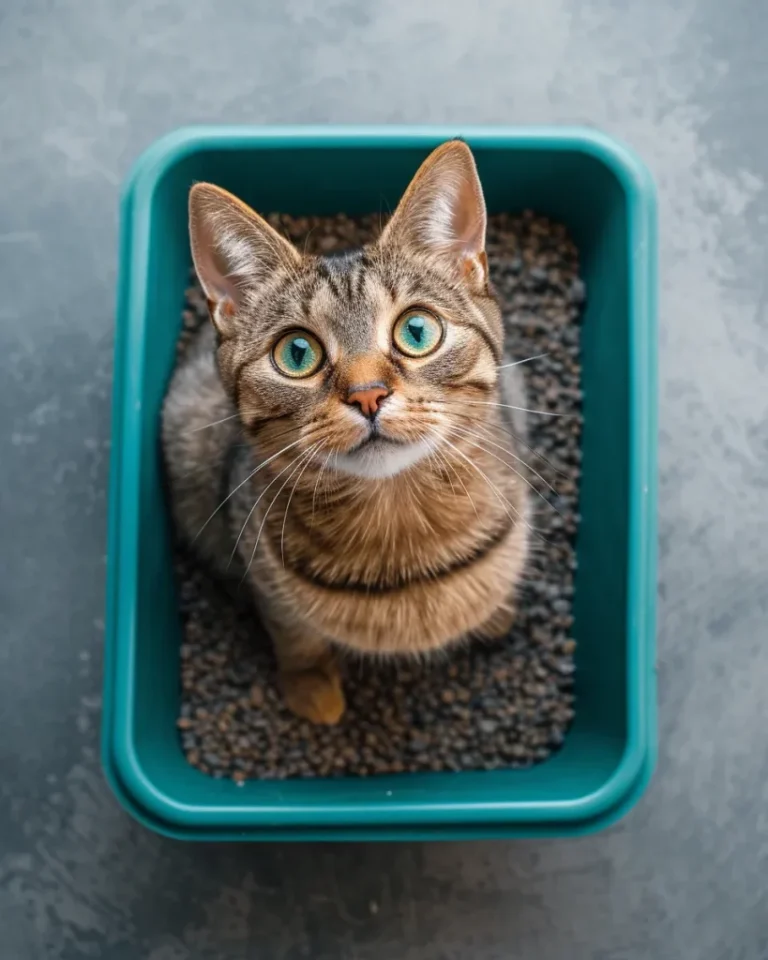
Dust from cat litter can be more than an annoyance — it can aggravate allergies, irritate respiratory systems, and spread all over your home. Especially in small apartments or homes with cats sensitive to dust, reducing litter dust improves comfort and air quality. In 2026, many litter types are formulated to minimize dust, and a few smart practices can make a big difference. This guide gives expert tips on reducing dust + what to look for when buying litter.
Why Dust Matters — For Cats and Humans
- Respiratory health: Fine dust particles from traditional clay or mineral litters can irritate lungs — especially in humans or cats with asthma or sensitivities.
- Indoor air quality: Dust spreads easily, lingers in air and settles on furniture — can trigger allergies or general discomfort.
- Hygiene & cleanliness: Dust can carry odors, scrap particles, and make your home seem dirtier faster, even after cleaning.
- Tracking & spread: Dust-heavy litter often means more granules stuck to paws or carried outside the litter box, increasing cleaning workload.
What Makes a Litter Low-Dust Friendly
When buying cat litter with dust reduction in mind, look for these features:
- Labeled “low-dust”, “dust-free”, or “low tracking” — meaning the manufacturer tried to minimize fine particles.
- Coarser or consistent granule size — avoid powdery or very fine granules that produce dust easily.
- Non-mineral or less pulverized materials (e.g. some plant-based, wood, paper, or silica alternatives) — these often generate less dust than traditional mined clay.
- Low-tracking granules or special formulas — designed to cling less to paws and shed less outside the box.
Switching to a better litter is often the first and most effective step to reduce dust.
Expert Tips to Minimize Dust at Home
1. Change Litter Type if Needed
If you use a very dusty, fine-grained clay litter — consider switching to a low-dust clay, silica/crystal, or natural litter. Many cat-care experts recommend silica@/crystal or plant-based litters for households concerned about dust.
2. Clean Litter Box Area Frequently
- Scoop solid waste daily — the less waste sits, the fewer odor or dust particles accumulate.
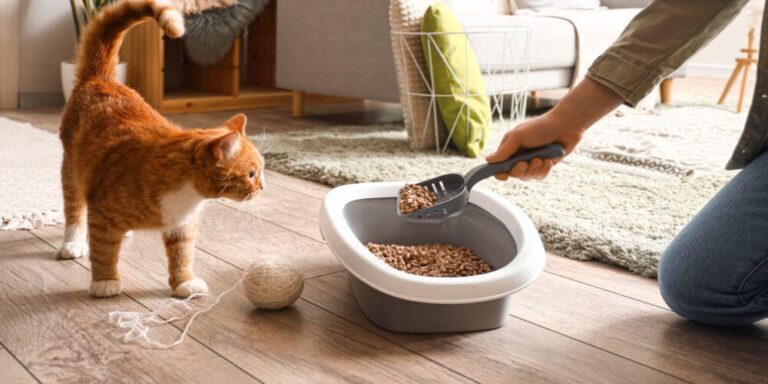
- After emptying litter or during deep cleaning, consider wiping the box with a damp cloth to collect residual dust.
- Vacuum or mop around the litter box regularly to catch dust before it circulates.
3. Use a Covered or High-Sided Litter Box + Entry Mat
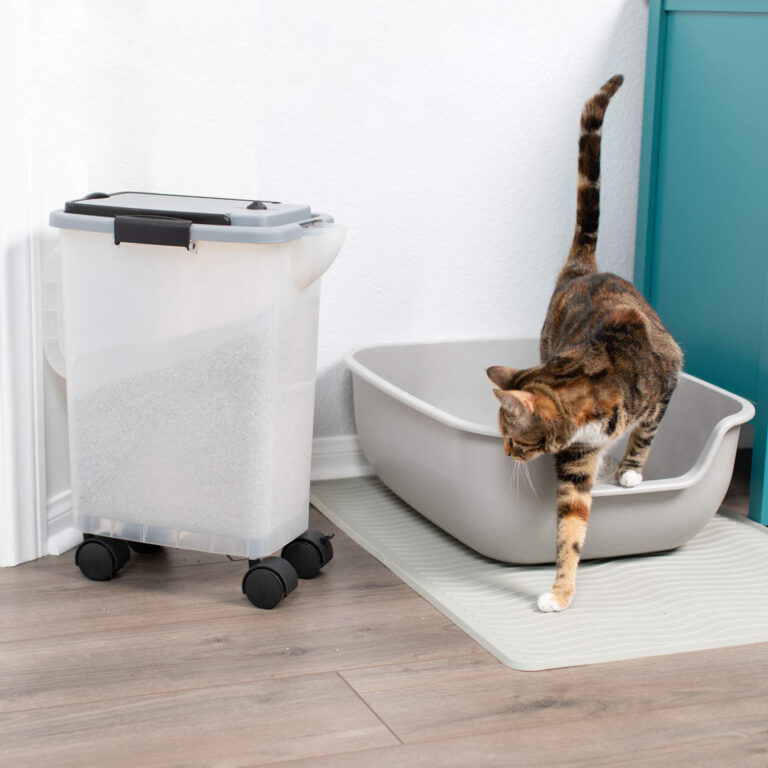
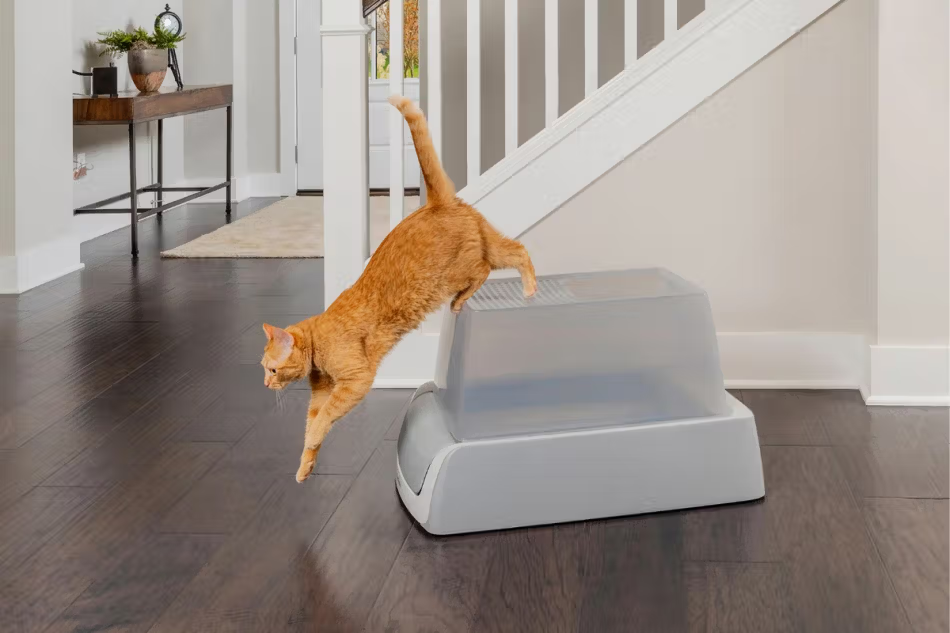
A covered or higher-sided box reduces how much dust and granules spread when the cat digs. Placing a soft mat at the box entrance helps catch dust/granules stuck to paws before they walk through your home.
4. Ensure Good Ventilation
Open windows or use exhaust/air-circulation fans especially after cleaning or scooping litter. Good airflow helps remove airborne dust before settles on surfaces.
5. Store Litter Properly
When litter bags are opened, seal them tightly or store in a closed container — this reduces dust release in storage and handling. Handling litter over trash outdoors or on easy-to-clean floors helps too.
6. Consider Litter Box Placement
Avoid placing litter boxes in bedrooms or rooms with heavy foot traffic. A secluded, ventilated corner reduces dust spread and limits its impact on living spaces.
Litter Types & Products That Usually Perform Better (Dust-wise)
Here are the litter types that tend to produce less dust and perform well for dust-conscious homes:
- Silica / Crystal litters — crystals are generally larger, non-powdery, and produce minimal dust compared to old-style clay.
- Plant-based / wood / paper / pellet litters — natural fibers or recycled materials can hold together better, shedding less fine dust.
- Low-dust clumping clay litters — newer formulations designed to minimize dust while retaining clumping ability; look for “low-dust” labeling.
If possible, buy small trial bags first — test how much dust they release when pouring, scooping, or digging before committing to bulk purchases.
When Dust Persists — Extra Precautions
- If dust remains high even after switching, consider adding an air purifier near litter box area, particularly one with HEPA filter — helps trap microscopic particles.
- Use wet wipe or damp cloth cleaning rather than dry dusting, to avoid stirring dust into air.
- For multi-cat homes: maintain more frequent cleaning, since combined waste & litter usage increases dust generation and scattering.
Final Thoughts
Dust from cat litter is a common issue — but with smart litter choice, cleaning habits, ventilation, and maintenance, you can significantly reduce dust and improve air quality at home. For many households in 2026, switching to a silica/crystal, plant-based or low-dust litter, combined with regular cleaning and proper litter-box setup, makes a noticeable difference.