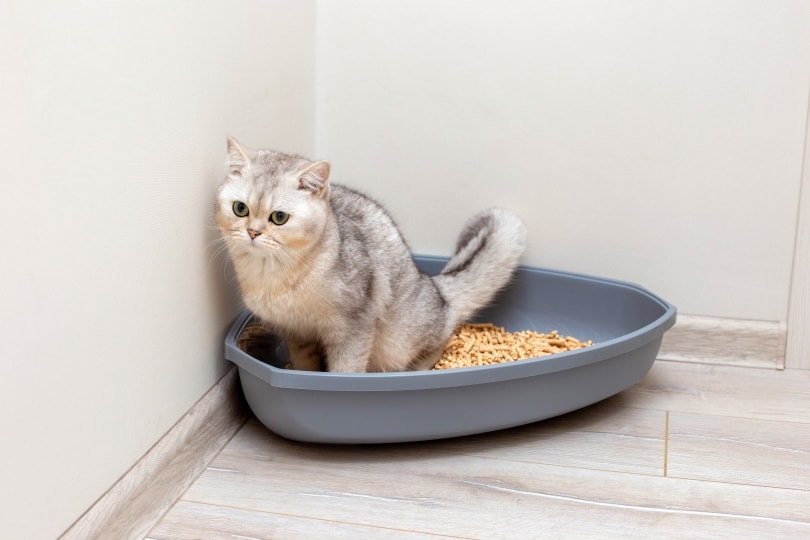
Choosing between scented and unscented cat litter is a common dilemma for cat owners. Each type has advantages and trade-offs, and the best choice depends on your cat’s preferences, household situation, and sensitivity to smells. In 2026, litter formulas—both scented and unscented—are more advanced than ever. This guide helps you decide which litter type fits your cat and your home best.
What’s the Difference Between Scented and Unscented Litter
- Scented cat litter includes added fragrances or odor-masking agents designed to neutralize or mask ammonia and waste smells.
- Unscented cat litter relies on absorbent and odor-locking properties of the litter itself (clumping clay, silica crystals, plant-based granules) — without added perfumes or masking agents.
Both aim to keep the litter box and home smelling clean, but they approach the problem differently.
Advantages & Disadvantages of Scented Litter 🌸
✅ Pros
- Masking unpleasant odor — especially useful in small apartments or areas with poor ventilation where smell can build up quickly.
- Fresh scent between changes — even if you don’t scoop every day, scented litter may help reduce noticeable smells for a while.
- Convenience for busy owners — less frequent litter changes may be more tolerable when odor is masked.
⚠ Cons
- Cats may dislike the scent — many cats have sensitive noses, and strong fragrances can deter them from using the litter box.
- Respiratory or allergy concerns — scented particles or additives may irritate cats or humans, especially in dust-neutralizing clay litters.
- Masking vs. solving: Scented litter can cover odor temporarily but may not neutralize ammonia or urine smell — once litter saturates, smell can return.
- Potential for chemical exposure: Some scented litters use perfumes or masking chemicals that may be harmful if inhaled or repeatedly exposed.
Advantages & Disadvantages of Unscented Litter 🐾
✅ Pros
- Gentler for cats and humans: No added fragrances, lower risk of irritation, better for sensitive cats or allergy-prone households.
- Natural odor control (if good quality): High-quality clumping clay, silica/crystal or plant-based litter absorbs and locks odor without masking — often more effective long-term.
- Better for kittens or sensitive paws: Less chemical exposure, softer or more natural materials.
- Transparent odor performance: Since there’s no masking scent, you know immediately when litter needs to be changed.
⚠ Cons
- You may notice odor sooner: If litter changes are delayed, smell can build up quickly — daily scooping and regular replacement become more important.
- Requires more frequent maintenance: To keep odors under control, unscented litter often needs more diligent cleaning.
When to Choose Scented vs Unscented: Recommendations
| Situation / Priority | Choose Scented Litter | Choose Unscented Litter |
|---|---|---|
| Small apartment, limited ventilation, busy schedule | ✅ Helps mask odors when cleaning may be less frequent | — |
| Multi-cat household or frequent litter use | — (risk of strong fragrances combining) | ✅ Better control and less risk of irritating cats |
| Allergy-sensitive individuals or cats with respiratory issues | — | ✅ Less inhalation of chemicals/dust |
| You want to minimize maintenance and mask smell between cleans | ✅ | — (needs frequent maintenance) |
| You have kittens, seniors, or sensitive cats | — | ✅ Gentler, safer, more natural |
Tips for Using Scented or Unscented Litter Effectively
- If using scented litter: Scoop daily — fragrance can’t replace hygiene. Ventilate the litter box area well. Avoid strong chemical/perfume litters if cats show signs of irritation.
- If using unscented litter: Maintain a strict cleaning schedule (daily scooping, regular full changes) to prevent odor buildup. Use high-quality clumping or odor-control litter for best results.
- Observe your cat’s behavior: If your cat starts avoiding box after a switch, smell or texture may be the issue — consider switching back or trying a different type.
- Proper litter box placement and ventilation: Regardless of litter type, good airflow and regular cleaning significantly improve odor and comfort.
Conclusion
There is no universally “best” cat litter — scented or unscented — for everyone. The right choice depends on your living situation, your cat’s sensitivities, and how diligently you maintain the litter box.
- Choose scented litter if you live in a small, poorly ventilated space and need help masking odors between cleanings.
- Choose unscented litter if you prioritize your cat’s comfort, have allergy concerns, or prefer natural odor control.
In 2026, with improved formulas and more litter variety, both options can work — if chosen and maintained properly. For most households with multiple cats or sensitivity concerns, unscented litter tends to offer cleaner, healthier, and more sustainable results.