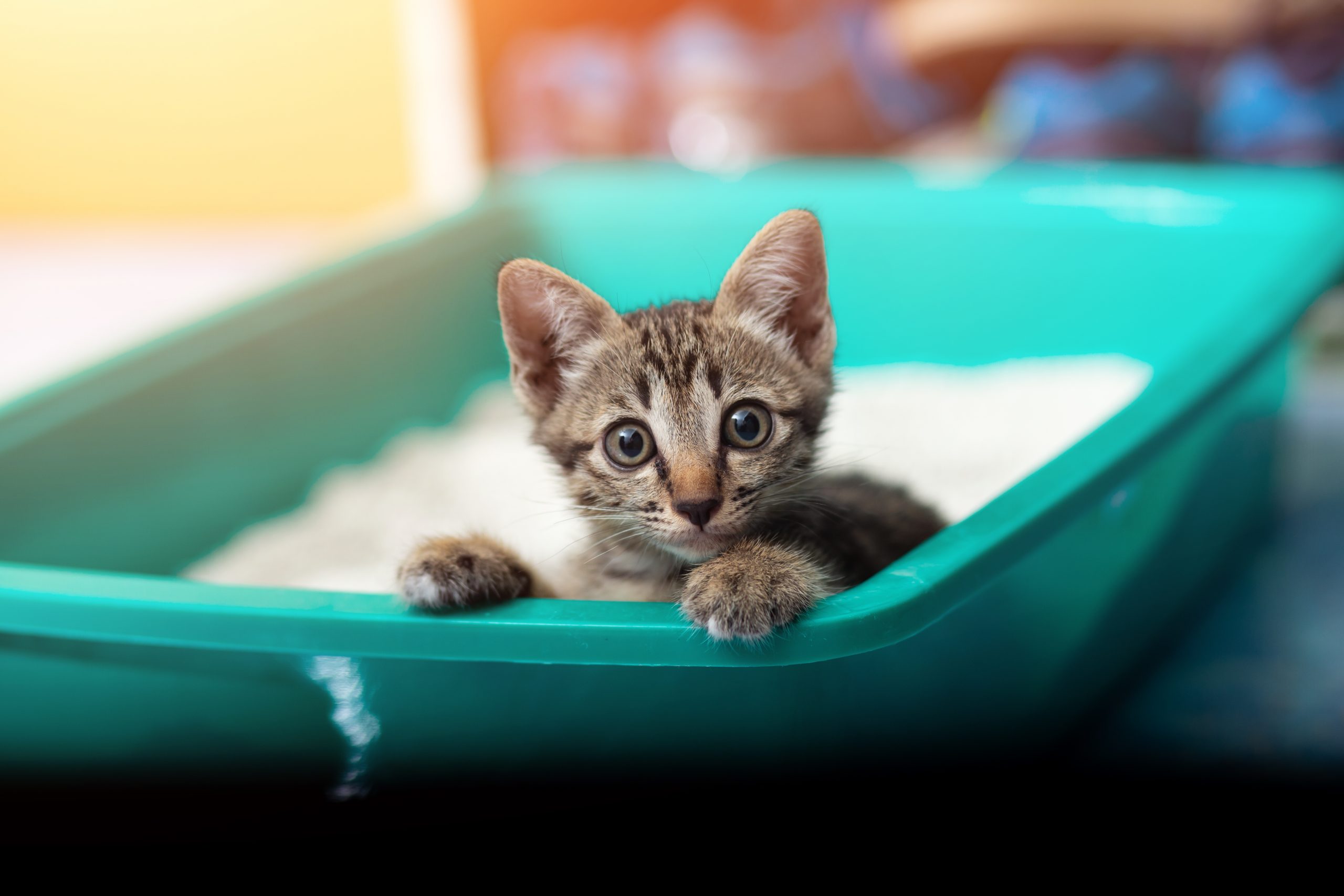
If you have a cat that urinates heavily — perhaps due to size, diet, age, or simply frequent visits to the litter box — ordinary cat litter may quickly become saturated, leading to odor, soggy litter, and a messy box. For these cases, choosing a high-absorbency, moisture-resistant cat litter can make a big difference in hygiene, odor control, and ease of cleaning. In 2026, there are many litters designed exactly with heavy-use cats in mind. This guide helps you understand what to look for and which types tend to work best.
Why Heavy Urination Requires Special Litter
- Quick saturation risk: Standard litter can absorb only a limited volume — heavy urination can fill the litter box quickly, causing clumps to break, odor to build, and waste to leak.
- Frequent cleaning needed: Without proper litter, you may find yourself cleaning or replacing litter multiple times a day.
- Hygiene & odor problems: Saturated litter holds ammonia and smells longer; moisture also leads to unpleasant odors and potential health issues for cats and humans.
- Waste of litter & money: If litter becomes soggy fast, much of it becomes unusable — wasting material and money.
Because of these risks, heavy-urination cats benefit from litter that combines strong absorption, odor sealing, and high moisture capacity.
Key Features to Prioritize in Litter for Heavy Urination
When selecting litter for a heavy-urination cat, make sure it offers:
- High moisture absorption and liquid retention — can soak up more urine without breaking down or becoming soggy.
- Strong odor locking / odor neutralization — to contain ammonia and waste smell over time.
- Clumping strength (if clay-based) — clumps should form firmly and maintain integrity even under heavy wetness.
- High absorbency and depth capacity — able to handle multiple uses between changes.
- Low dust & minimal tracking — prevents urine-laden dust from spreading when cat digs or you scoop.
Best Types of Litter for Heavy-Use / High-Urination Cats
🌟 Silica / Crystal Litters — High Absorption & Long-Lasting Freshness
Silica (gel–based crystal) litter stands out for heavy-urination cats. Its crystals absorb moisture thoroughly and trap it inside their porous structure — often for days or even a week or more, depending on cat size and box usage.
Advantages:
- High liquid absorption — dries urine more effectively than many clay litters.
- Excellent odor control — crystals lock in ammonia and waste smell efficiently.
- Long-lasting — less frequent full litter changes needed compared to clay, saving time.
- Low dust — safer for cats and humans, especially when handling wet litter.
Trade-offs:
- Usually non-clumping — solid waste needs manual removal.
- Some cats may dislike the texture.
- For very large cats or multiple urinary events daily, crystals may still saturate sooner.
🧱 Premium Clumping Clay Litter — High-Capacity Clumping Formula
For owners preferring clumping litter, high-quality clumping clay designed for heavy use can still work — provided it’s a premium formula with strong clumping and odor-locking properties.
Advantages:
- Quick clumping isolates urine and feces immediately, reducing spread of wetness.
- Easy scooping — you can remove clumps often and keep the rest usable.
- Widely available, usually more affordable than specialty crystal litters.
Trade-offs:
- Heavier bags to carry.
- Even “heavy use” clumping clay may saturate faster under heavy urination or multi-cat households.
- May produce more dust — choose low-dust formulas to minimize risk.
🌿 High-Absorbency Plant-Based or Biodegradable Litters
Some plant-based litter types (wood, paper, tofu, grain-based, etc.) have been improved to offer higher absorption — potentially suitable for cats that urinate often, especially if combined with frequent box maintenance.
Advantages:
- Biodegradable — more environmentally friendly if you replace litter often.
- Lighter and easier to handle than clay.
- Some formulas offer reasonable absorption and odor control when changed regularly.
Trade-offs:
- Performance varies widely — absorption and odor control may be weaker than crystal or premium clay.
- Often non-clumping — requires complete litter replacement more frequently.
- May not handle multiple heavy urination events without frequent changes.
Practical Tips for Heavy Urination Situations
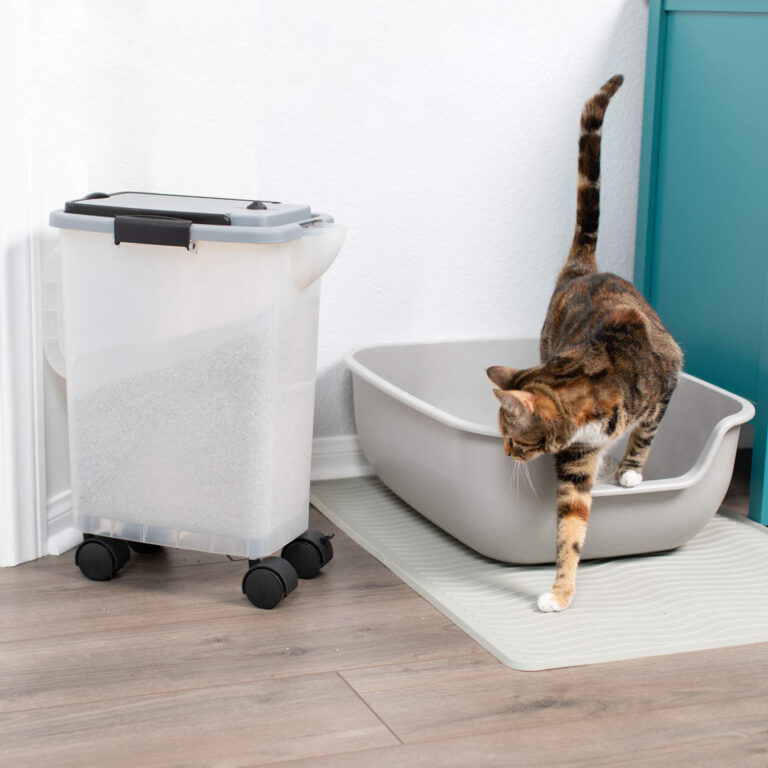
- Use a deep litter box with sufficient depth — shallow boxes fill quickly under heavy urination.
- Monitor and scoop often — even daily or multiple times a day depending on frequency.
- Choose crystal litter if you prefer fewer complete changes and minimal maintenance.
- If using clumping clay, don’t overfill the box — allow room for clumps to form properly.
- Combine litter type with regular box cleaning: empty wet litter weekly, clean box with mild soap, refill fresh litter to reset absorption.
- For seniors or special-needs cats who urinate frequently, consider litter liners or washable litter pads under litter box for extra leak protection.
Which Litter Should You Use?
- If you want maximum absorption and minimal maintenance ➝ Silica / Crystal litter is often the best bet.
- If you prefer clumping & easy scooping, and you clean often ➝ Premium Clumping Clay litter can still work well.
- If you value eco-friendly, natural products, and don’t mind more frequent changes ➝ High-absorbency plant-based litter is an option, though less optimal for very heavy use.
Final Thoughts
Cats with heavy urination needs require more absorbent, moisture-resistant litter to keep litter boxes hygienic, odor-free and easy to maintain. In 2026, high-absorption crystal litter, premium clumping clay, and improved plant-based litters give owners flexibility based on cleaning habits, cat behavior, and preferences. With the right litter and a consistent cleaning routine, heavy-urination doesn’t have to mean constant litter problems — just smarter choices and regular maintenance.