One of the most common complaints among cat owners is litter tracking. Granules spreading across floors, stuck in paws, and carried around the house can create extra cleaning work. Choosing the right cat litter — whether tracking or non-tracking — can make a big difference in maintaining a clean home. This guide explores the differences, benefits, and considerations for each type.
What is Litter Tracking?
Tracking happens when litter sticks to a cat’s paws, fur, or gets kicked out of the litter box during digging. Over time, this can leave tiny granules all over your floors, furniture, and even bedding. Factors contributing to tracking include:
- Litter granule size and shape
- Dust content
- Cat digging habits
- Type of litter box used
Tracking litter isn’t necessarily low-quality; it’s often chosen for its other benefits like clumping strength or odor control.
Non-Tracking Cat Litter
Non-tracking cat litter is designed to minimize granules sticking to paws or escaping the box. These litters often feature:
- Heavier granules: Less likely to stick to fur.
- Special textures: Rounded or smooth pellets that reduce adherence.
- Low dust: Helps prevent particles from floating in the air.
- Clumping properties: Some non-tracking litters still clump efficiently while staying contained.
Pros:
- Cleaner floors
- Less constant sweeping or vacuuming
- Reduced stress for tidy-conscious households
Cons:
- May be more expensive
- Some cats may prefer the texture of finer tracking litters
- Odor control may vary depending on material
Tracking Cat Litter
Tracking litter refers to varieties that may spread more easily but often excel in other areas such as:
- Quick clumping: Ensures easy scooping of urine or feces.
- Strong odor control: Certain clumping or scented litters are heavier on odor absorption.
- Wide availability and cost-effective options: Commonly found in most stores.
Pros:
- Excellent clumping for easy maintenance
- Often better at absorbing odors
- Widely available and affordable
Cons:
- Granules can stick to paws, fur, and carpets
- Requires more frequent sweeping or cleaning around the litter box
Choosing Between Tracking and Non-Tracking Litter
When deciding which litter is best for your household, consider:
- Cat behavior: Cats that dig aggressively may benefit more from non-tracking litter.
- Home size: In small apartments, non-tracking litter helps maintain cleanliness.
- Multiple cats: More cats increase the risk of tracked litter; non-tracking types can help reduce mess.
- Cleaning routine: If daily scooping and sweeping are acceptable, tracking litter may be fine.
Tips to Reduce Tracking
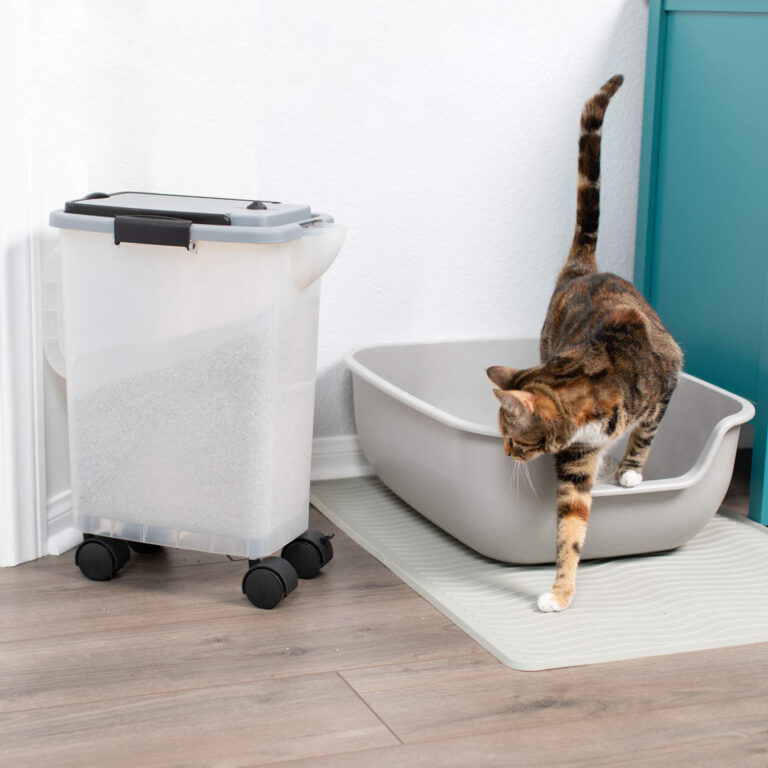
- Use a mat outside the litter box: Captures granules as cats exit.
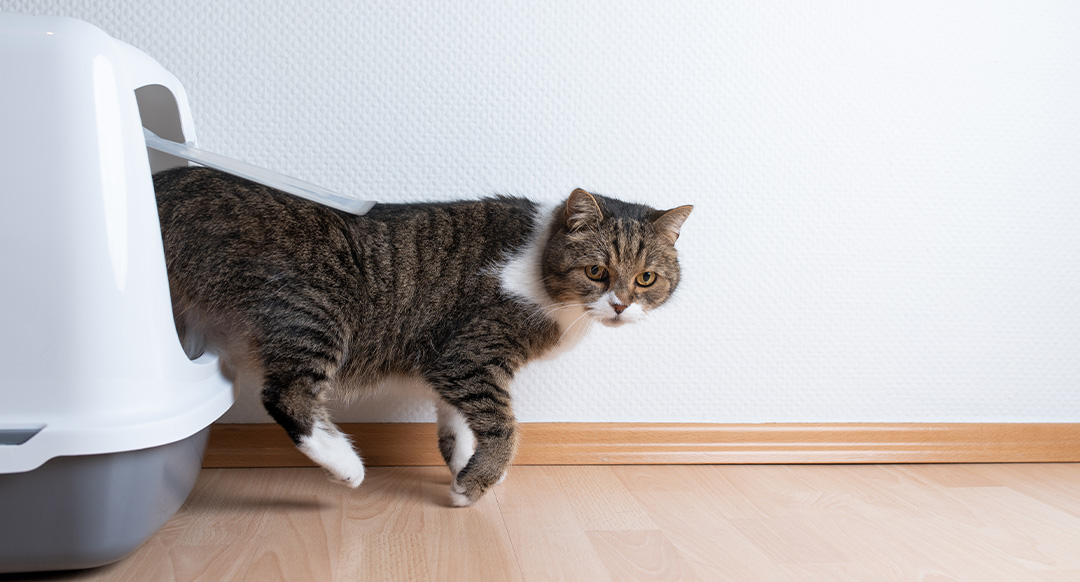
- Choose the right litter box: High sides or covered boxes reduce litter scattering.
- Regular grooming: Brush paws or fur if litter sticks.
- Gradual litter transition: Mix old and new litter to help cats adjust to texture changes.
Final Thoughts
Tracking vs. non-tracking cat litter comes down to your priorities — cleanliness versus clumping strength, odor control, and cost. Non-tracking litters help keep your home tidy, while tracking litters may be more effective for odor management and clumping. By understanding your cat’s habits and household needs, you can select the litter that balances comfort, hygiene, and convenience.