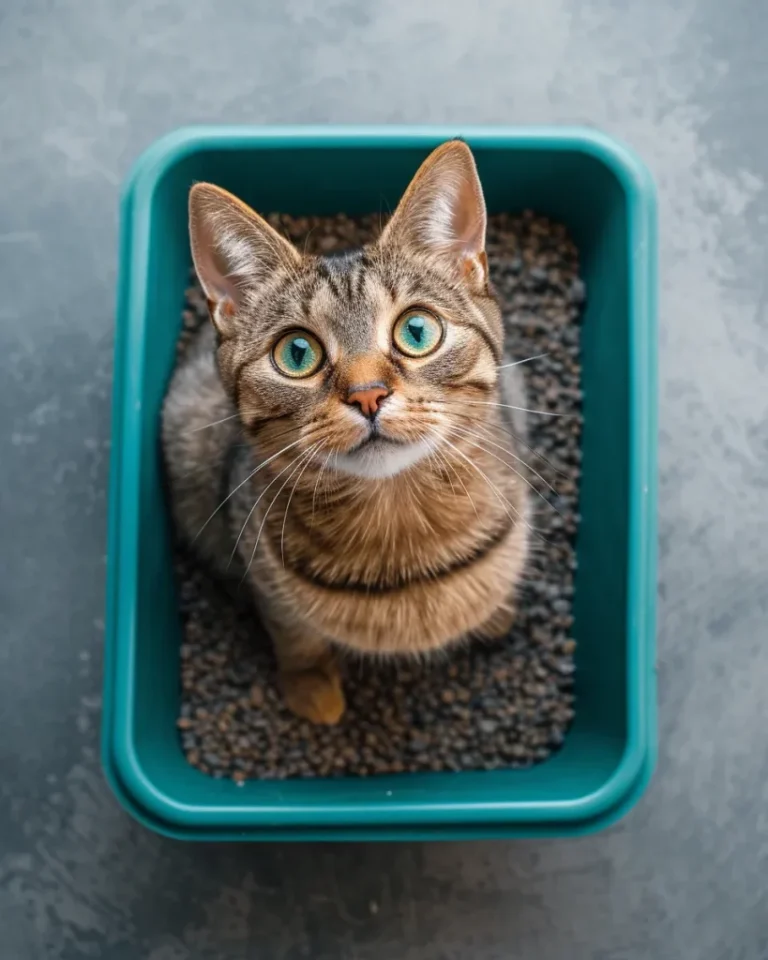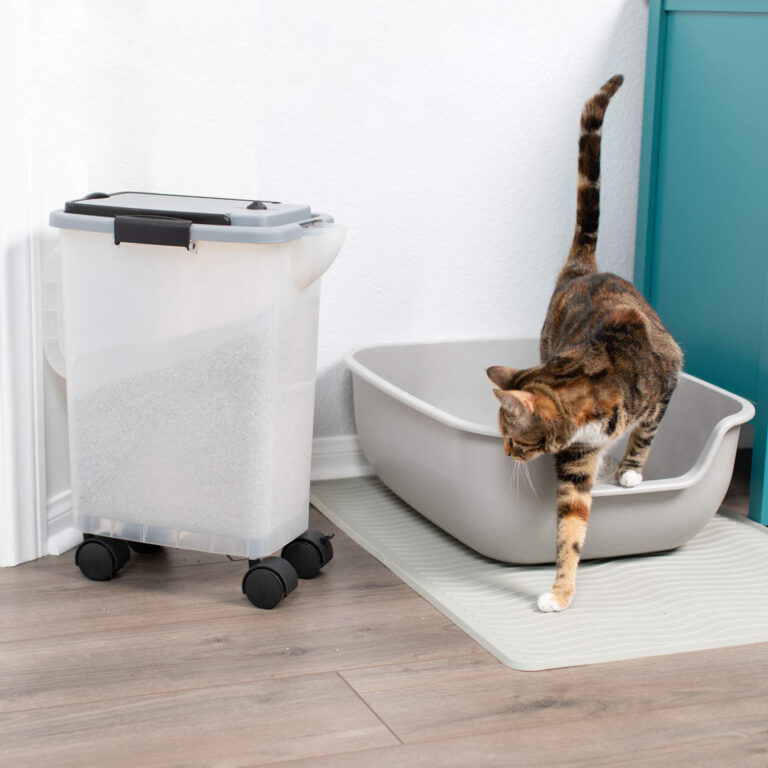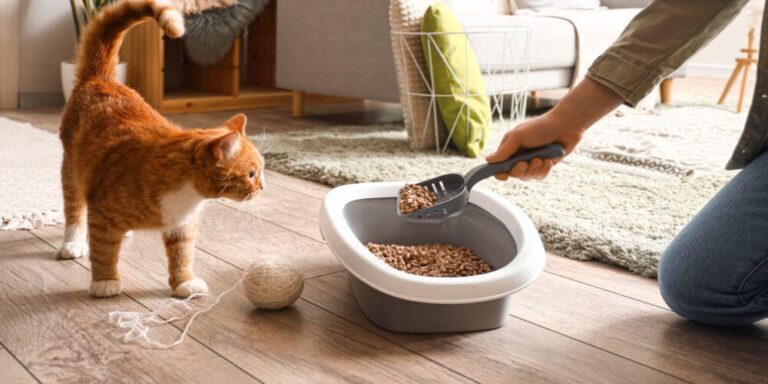
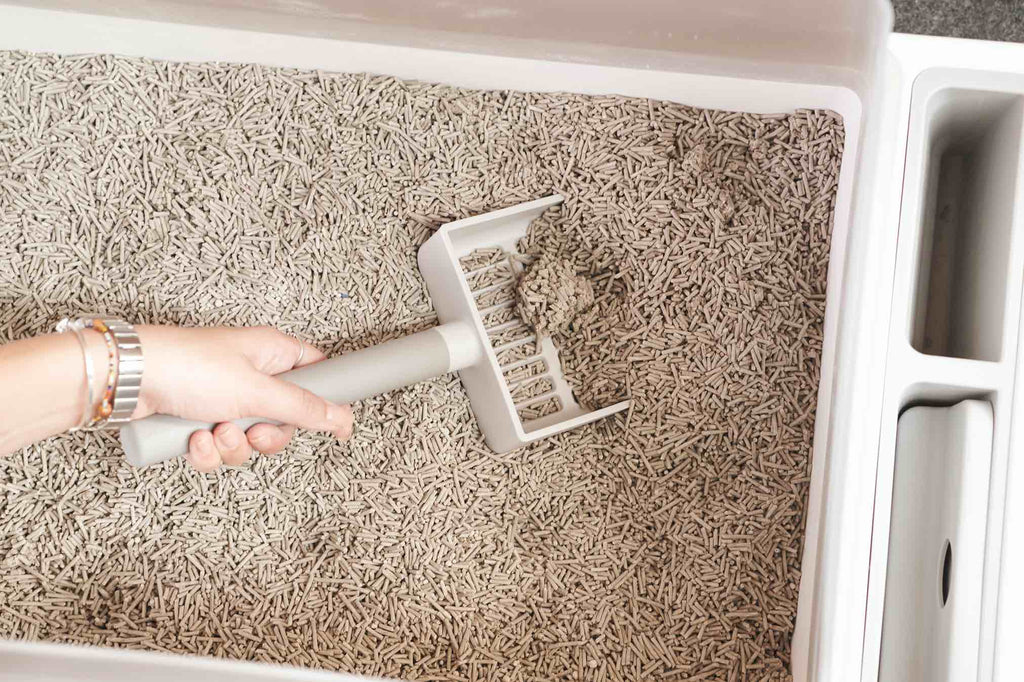
When you’re shopping for cat litter in 2026, one of the first decisions you’ll face is whether to go with clumping or non-clumping litter. Each type has strengths and trade-offs — what’s best depends on your cat’s needs, your home environment, and your cleaning habits. This guide walks through both options so you can choose with confidence.
What Is Clumping Cat Litter?
Clumping litter — often clay-based (such as bentonite clay) — absorbs moisture and urine, forming firm, scoopable clumps that can be removed easily. Over time, this became the dominant litter type globally because of its convenience. (grandviewresearch.com — note: clay-based litters comprised the majority of the market in 2024, and clumping formulas remain very popular.)
Pros of Clumping Litter
Easy Scooping and Faster Cleaning: Urine and feces clump into compact masses. You only remove the clumps, leaving clean litter behind — less waste and more efficient routine cleaning.
Strong Odor Control: Because the waste is removed quickly and effectively, smells stay under control, especially in small apartments or homes with one litter box.
Convenient for Multi-Cat Homes: Strong clumping helps manage multiple cats’ waste more easily than non-clumping litter.
Less Frequent Full Change: Since you scoop daily, you typically don’t need to replace all the litter as often — can save time and litter over weeks.
Cons of Clumping Litter
Heavier & Bulkier to Carry: Bags of clumping litter are often heavy, which can be a drawback if you buy online and have to carry to upper floors.
Dust & Tracking Issues: Some clumping litters still produce dust or track outside the litter box — though many newer formulas have reduced dust.
Not Eco-Friendly: Clay mining and waste disposal make many clumping litters less sustainable than alternatives.
May Be Hard on Kittens or Sensitive Cats: The texture, weight, or clumping chemicals in some formulas might be less comfortable for kittens or cats with sensitive paws.
What Is Non-Clumping Cat Litter?
Non-clumping litter — sometimes clay-based, wood-based, paper-based, or other natural materials — absorbs moisture but does not form hard clumps. Instead, the litter becomes saturated and must be changed entirely when soiled.
Pros of Non-Clumping Litter
Typically Lightweight and Natural: Some non-clumping versions use wood, paper, or other materials — making them lighter to carry and often biodegradable or eco-friendlier.
Gentler for Sensitive Cats or Kittens: Soft texture and absence of harsh clumping agents can make it more comfortable, especially for kittens or cats with health sensitivities.
Lower Dust (in Some Varieties): Especially natural or recycled materials tend to produce less dust than older clay-based litters.
Good for Single Cat Households with Less Frequent Use: If your cat uses the box rarely, non-clumping litter might be adequate without frequent scooping.
Cons of Non-Clumping Litter
More Frequent Full Changes: Because it doesn’t clump, you’ll need to replace the entire litter more often — often daily or every few days, depending on usage.
Weaker Odor Control: Saturated litter holds odors, which can build up quickly. Non-clumping is less effective at sealing smells compared to clumping or silica litters.
Less Convenient for Multi-Cat Homes: High waste and rapid odor accumulation make non-clumping less ideal for households with more than one cat.
Which One Should You Choose in 2026? Decision Guide
✅ Choose Clumping Litter If:
You have one or more adult cats — especially multi-cat households.
You want easy, quick scooping and hassle-free maintenance.
Odor control and cleanliness are high priorities (e.g. small apartments).
You prefer to change litter less often and keep litter usage efficient.
✅ Choose Non-Clumping Litter If:
You are okay with frequent litter changes and want a softer, gentler texture.
You have a kitten or a cat with sensitive paws / allergies.
You prefer natural or biodegradable materials, or lighter bags for easier handling.
⚠️ Consider a Hybrid Approach:
Some households benefit from using clumping litter in main litter boxes and non-clumping / natural litter in a box for kittens or older cats. This gives you flexibility — convenience and control where needed, softness where desired.
Tips Before Switching Litter Types
Introduce gradually: If switching from non-clumping to clumping (or vice versa), mix old and new litter over several days so your cat adjusts to texture differences.
Monitor cat behavior: Cats can reject litter if they dislike feel or smell; if usage drops, consider reverting or trying a different type.
Upgrade to low-dust, low-tracking formulas: For any litter type — dust-controlled versions can improve hygiene and indoor air quality.
Maintain cleanliness: Even with clumping litter, regular scooping + occasional full clean ensures optimal hygiene and odor control.
Conclusion
There’s no one-size-fits-all answer for “best” cat litter in 2026. The ideal choice depends on your cats, living situation, and hygiene needs. For most households — especially multi-cat or busy homes — high-quality clumping litter remains the top pick. If you favor gentleness, eco-friendliness, or have a kitten, non-clumping natural litter offers real benefits.