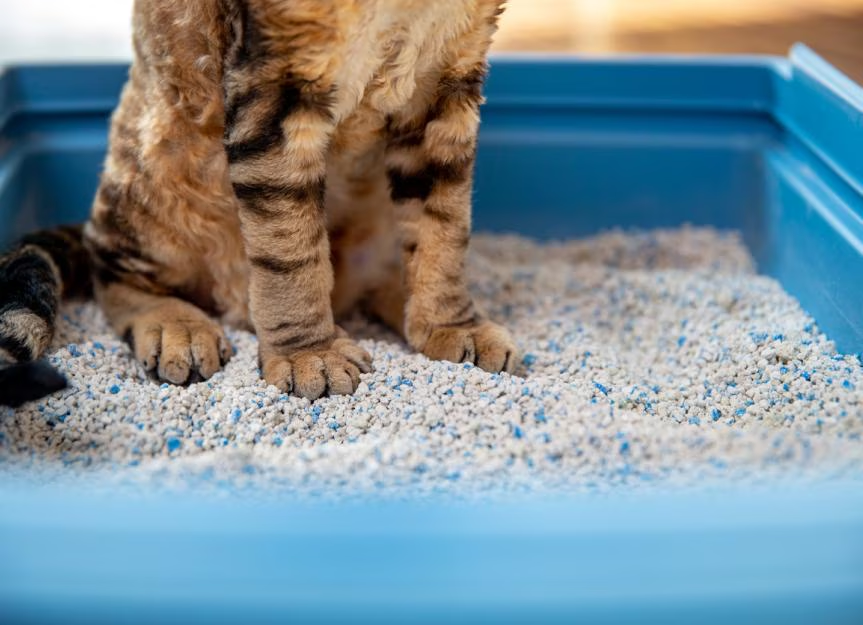
For cat owners with allergy‑prone humans or cats with respiratory sensitivity, choosing the right litter is more than convenience — it’s a health and comfort decision. In 2026, many litter options are designed to minimize dust, reduce allergens and be hypoallergenic, making them ideal for sensitive households. This guide walks you through what to look for and which types of litter tend to perform best.
Why Sensitive Cats (and Humans) Need Special Litter
Traditional clay‑based cat litters often produce dust and fine particles — especially when poured or scooped. These airborne particles can irritate lungs, trigger sneezing or coughing in allergy‑sensitive humans, and cause discomfort to cats, especially kittens or older cats with weaker respiratory systems.
Hypoallergenic and low‑dust litters significantly reduce these risks, helping maintain cleaner air and healthier breathing for both cats and humans.
What Makes a Litter Sensitive‑Cat Friendly?
When you have a sensitive cat or household, prioritize the following litter properties:
- Low or no dust — very important to reduce airborne irritants.
- Non‑tracking or minimal tracking — to prevent dust and litter granules from spreading around the home.
- Soft, smooth granules or pellets — rough or heavy granules may irritate paws or shed dust.
- Non‑toxic, natural or hypoallergenic materials — to avoid chemical irritants or heavy minerals.
- Good absorption and odor control without harsh chemicals — so that you don’t need strong perfumes or chemical deodorants, which can be irritating.
Best Litter Types for Sensitive Cats and Allergy‑Aware Households
1. Silica / Crystal Litter — Low Dust, High Absorption
Silica or crystal litters are naturally low in dust and excel at absorbing moisture and odors. Because many crystals are smooth and dry, they don’t produce as much particulate matter as clay when disturbed. For many owners with cats or family members who react to litter dust, silica litter is among the top recommendations.
- Pros: Minimal dust, long‑lasting odor and moisture absorption, lighter to handle.
- Cons: Usually non‑clumping — requires periodic full changes; some cats may dislike the texture.
2. Plant‑Based or Biodegradable Litter — Natural, Gentle & Hypoallergenic
Litter made from materials like wood fibers, corn, wheat, tofu, recycled paper or other natural fibers tends to be gentler and lower in dust compared to many clay litters. Provided you pick a high‑quality option labeled “dust‑control” or “for sensitive pets,” plant‑based litters can be an excellent hypoallergenic solution.
- Pros: Soft on paws, low dust, often biodegradable and flushable (depending on local regulations), lighter than clay.
- Cons: Odor control may be weaker; clumping performance varies; require more frequent changes.
3. Paper‑Based Pellet Litter — Extremely Low Dust & Very Soft
Paper‑based litter — often from recycled paper pellets — is among the gentlest litter types. Because it’s soft and virtually dust‑free, it’s a great option for kittens, senior cats, or households with asthma and allergy concerns.
- Pros: Very low dust, soft on paws, lightweight, often flushable or compostable (depending on local rules).
- Cons: Usually non‑clumping; odor and moisture control weaker than clay or silica; needs frequent changing.
Tips for Using Sensitive‑Cat Friendly Litter Effectively
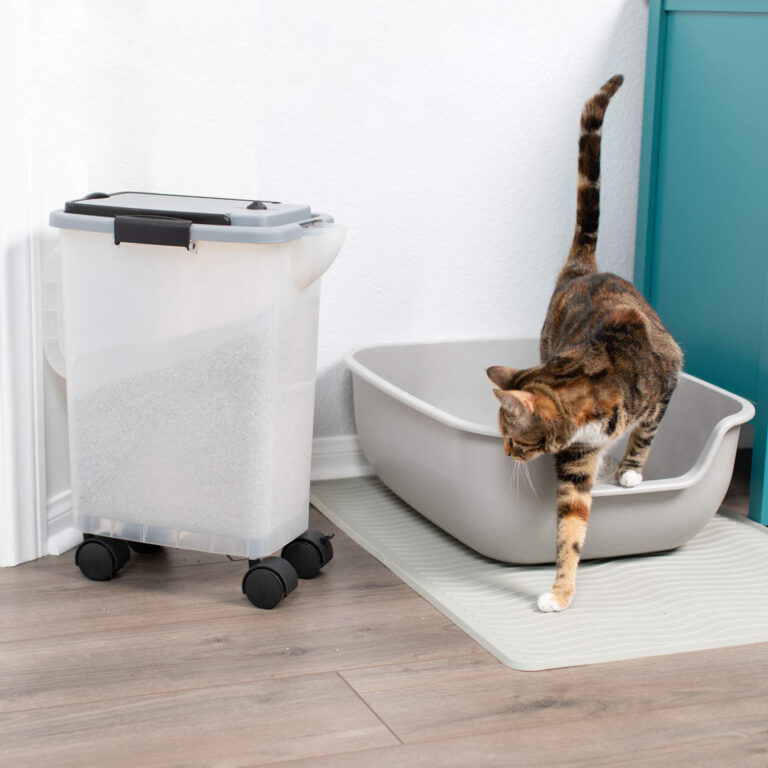
- Use a covered or high‑sided litter box: Helps contain any dust or particles when cats scratch or dig.
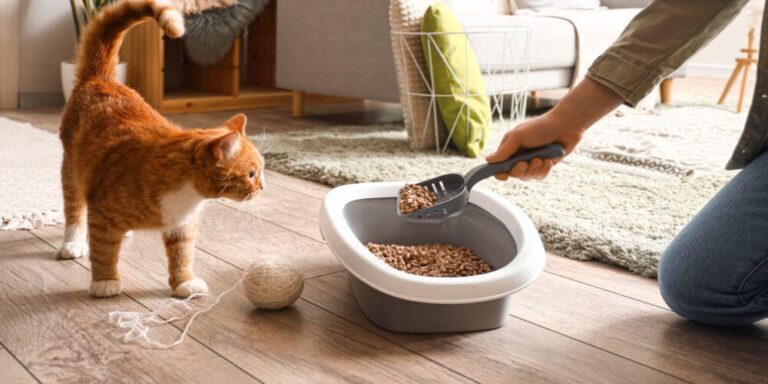
- Scoop or change litter regularly: Even with hypoallergenic litter, removing waste promptly reduces ammonia smell and dust release.
- Ensure good ventilation: Keep litter box area well‑ventilated to minimize buildup of dust or odor in enclosed spaces.
- Introduce gradually: If switchi
- Monitor cat behavior: If cat shows hesitation or respiratory symptoms, try a different litter type — sensitivities vary by individual.
Who Should Consider Sensitive‑Cat / Hypoallergenic Litter
- Households where humans have allergies or asthma.
- Cats that are kittens, seniors, or have respiratory or immune sensitivities.
- Homes with multiple cats, where dust and odor may build up faster.
- Apartment dwellers or people living in small/closed spaces where ventilation is limited.
- Pet owners who prioritize comfort and health over cost or convenience.
Final Thoughts
If health, comfort, and cleanliness matter — especially for sensitive cats or allergy‑aware households — choosing a low‑dust, hypoallergenic litter can make a big difference. In 2026, you have several good choices: silica/crystal litters, plant‑based biodegradables, or soft paper‑based pellets. Each has trade‑offs, but with careful selection and regular maintenance, you can ensure a safer, cleaner living environment for both your cats and your family.