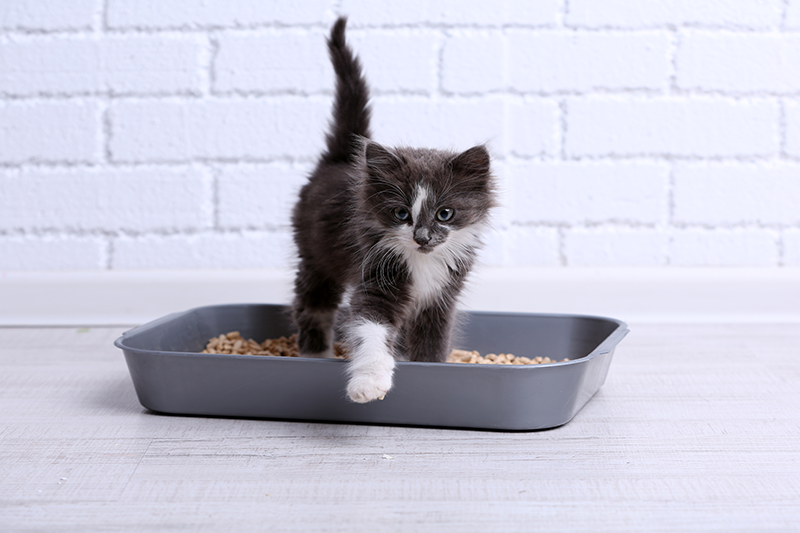
Bringing home a kitten is exciting — but as their caregiver, it’s important to choose a cat litter that’s safe, gentle, and comfortable for their tiny paws and developing health. Kittens need litter that is soft, non‑toxic, low‑dust, and easy to use. In 2026, there are many suitable litter options designed especially for kittens and young cats. This guide helps you understand what to look for and how to pick the best one.
Why Choosing the Right Litter Matters for Kittens
Kittens are more sensitive than adult cats for several reasons:
- Their respiratory and digestive systems are still developing. Dust or chemicals in litter may irritate them.
- Their paws are small and tender — rough or heavy litter can be uncomfortable.
- Kittens may accidentally ingest litter pieces while exploring — safety and non‑toxic materials matter more.
Therefore, a “one‑size‑fits‑all” litter may not be ideal for kittens. It’s worth selecting a litter tailored to their needs for well-being and comfort.
What to Look for in Kitten‑Friendly Litter
When shopping for kitten‑appropriate litter, prioritize:
- Soft or fine texture — gentle on paws and comfortable.
- Low dust / dust‑free — reduces respiratory irritation and keeps air clean.
- Non‑toxic, natural or biodegradable materials — safer if ingested accidentally.
- Low tracking and lightweight — easier for kittens to step in and out; less mess.
- Acceptable odor absorption and manageable maintenance — for easier cleaning without harming kitten health.
Recommended Types of Litter for Kittens
1. Paper‑Based or Recycled Paper Litter
Paper litter, often made from recycled paper pellets or granules, is among the gentlest options for kittens.
Pros:
- Very soft under paws.
- Virtually dust‑free and gentle on respiratory system.
- Lightweight and easy for kittens to use without feeling heavy underfoot.
- Often biodegradable and flushable (depending on local regulations).
Cons:
- Usually non‑clumping — requires frequent full litter box changes.
- Odor control is weaker compared to some clumping litters.
Best for: Newborn–young kittens, households with sensitivity to dust, or owners prioritizing safety and softness over convenience.
2. Plant‑Based / Biodegradable Litters (Wood, Corn, Wheat, Tofu, etc.)
These natural litters can be good kitten‑friendly choices when they are labeled as dust‑reduced and non‑toxic.
Pros:
- Natural ingredients — much safer in case of accidental ingestion.
- Often lighter than clay — easier for kittens to step on.
- Some clumping plant‑based formulas exist, making cleaning easier.
- Lower dust compared to many clay litters.
Cons:
- Clumping strength and odor absorption vary significantly between brands.
- May be more expensive than basic clay or paper litter.
Best for: Owners who prefer eco‑friendly, natural, softer litters with acceptable cleaning performance.
3. Gentle Fine‑Texture Clay Litter (Dust‑Controlled)
If you prefer clay litter for its price or availability, choose dust‑controlled, fine‑granule versions labeled suitable for kittens or sensitive cats.
Pros:
- More effective odor and moisture absorption than paper or some plant‑based litter.
- Some offer clumping, which reduces frequency of full litter changes.
- Easy to find widely in stores and online.
Cons:
- Even dust-controlled clay may produce some dust or tracking — requires good ventilation and regular cleaning.
- Heavier and may be rougher under paws than paper/plant-based litters.
Use tip: Consider mixing a small amount of familiar litter with the new one at first to help kittens adapt.
Tips for Transitioning Kittens to Litter
- Introduce new litter gradually: Mix kitten‑safe litter with the old litter over several days to reduce stress and rejection — kittens are sensitive to changes in smell and texture.
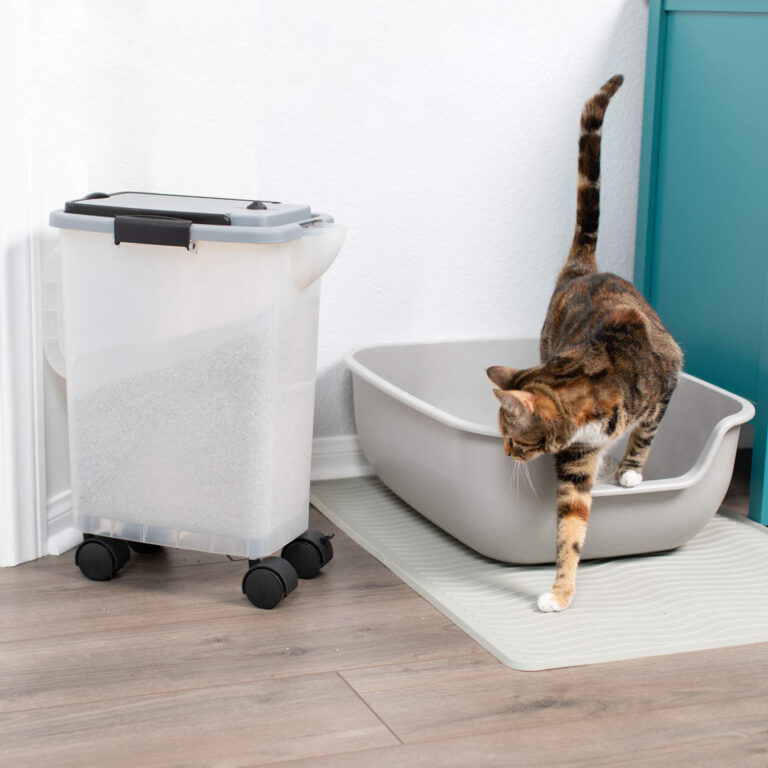
- Keep litter box shallow and accessible: Use a shallow, easy‑access box so kittens can get in and out comfortably.
- Scoop daily and change frequently: For non‑clumping or paper‑based litters especially, frequent changes keep hygiene high and reduce odor.
- Monitor for any adverse reactions: Watch for coughing, sneezing, or litter avoidance — could indicate dust sensitivity or dislike of texture.
Which Litter Is Best for Kittens in 2026?
- For youngest kittens or dust‑sensitive homes: Paper‑based or recycled paper litter is safest and gentlest.
- For natural / eco‑conscious households wanting clumping: Plant‑based biodegradable litters — if you accept sometimes variable clumping/odor control.
- For balance of performance and convenience: Dust‑controlled fine‑texture clay litter formulated for kittens or sensitive cats.
The “best” litter depends on your kitten’s age, sensitivity, and how much cleaning effort you can commit to.
Final Thoughts
Kittens deserve special care — and that includes choosing the right litter. Prioritizing softness, safety, low dust, and non‑toxicity helps ensure they stay healthy while adapting to litter box habits. As litter options have improved by 2026, there are many good kitten‑friendly choices — from paper and plant‑based to gentle clay formulas. With careful selection and attentive maintenance, you can give your kitten a clean, safe, and comfortable start.