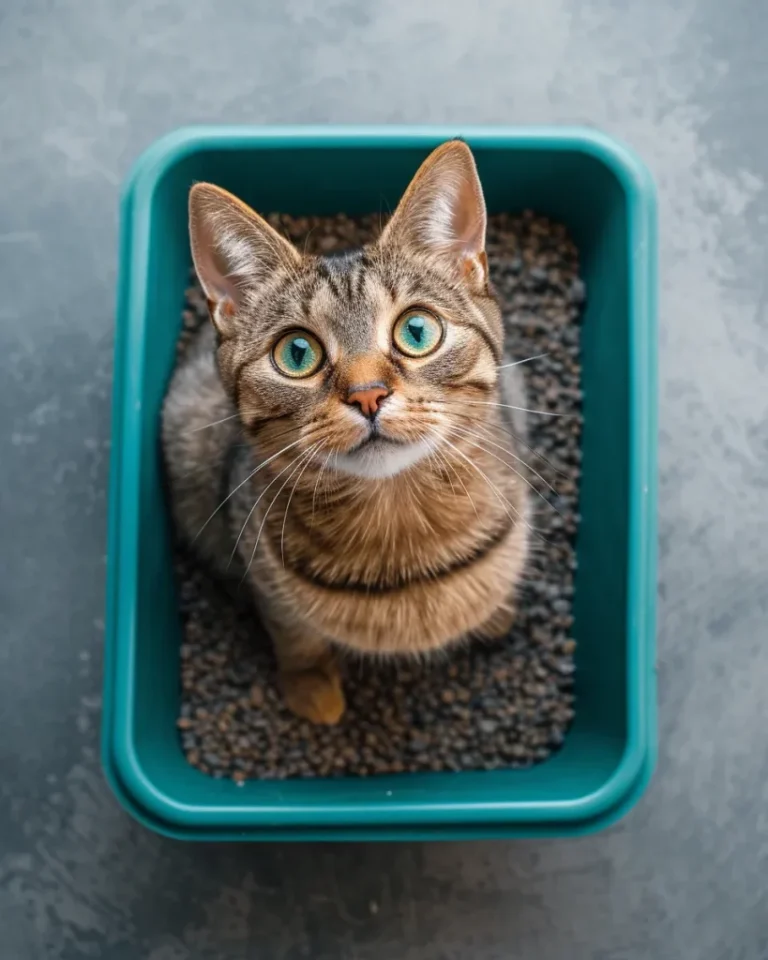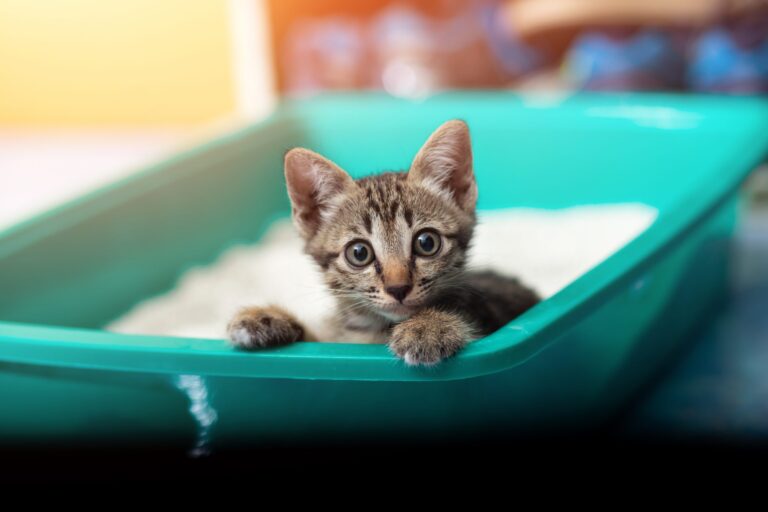
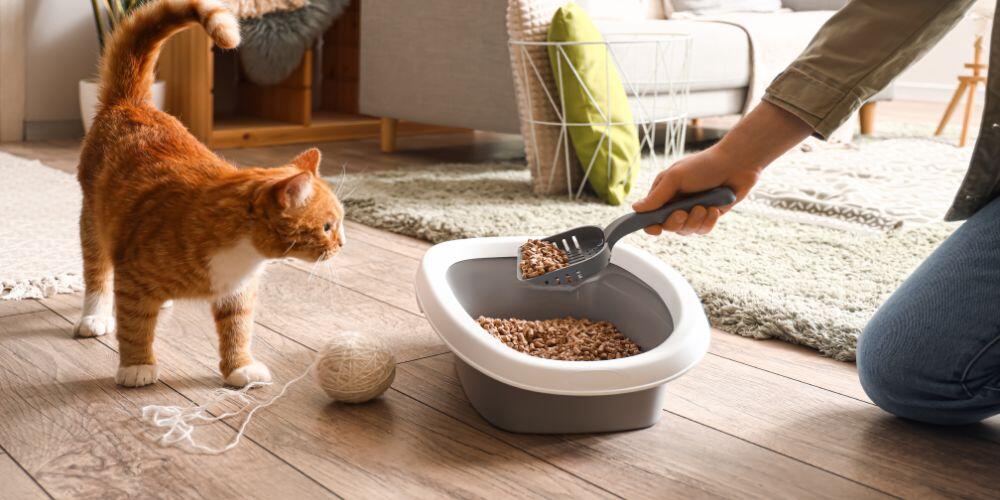
If you live with more than one cat and care about the planet, using eco-friendly (biodegradable or natural) cat litter doesn’t have to mean sacrificing performance. In 2026, many natural litter options are good enough to handle the needs of multi-cat households — as long as you pick the right formula and maintain a consistent cleaning routine. This guide explores the best eco-friendly litters for multi-cat homes and how to make them work.
Why Eco-Friendly Litter for Multi-Cat Homes Makes Sense
- Environmental impact matters more than ever — traditional clay litter often involves mining non-renewable materials; switching to plant-based, wood, paper or recycled-fiber litter reduces landfill waste and resource consumption.
- Lightweight and easier to handle in bulk — many eco litters are lighter than clay, which helps when you need larger volumes for several cats.
- Lower dust & gentler materials — natural litter often means less dust and softer texture, which can be gentler on cats’ paws, especially when multiple cats dig frequently.
- Flexibility to change litter more often — with lighter, compostable litter, full changes (or frequent replacements) are environmentally and practically more acceptable.
Eco-Friendly Litter Types That Work Well for Multi-Cat Homes
1. Wood-based or Pellet Litter
Wood litters — often made from sawdust, pine, or compressed wood pellets — are among the best eco-friendly choices for multi-cat homes.
Why it works:
- Wood pellets or fibers tend to be more absorbent than basic paper or grain litter, helping manage larger volumes of urine.
- Many wood litters are low-dust and lightweight — useful when you’re handling large bags or frequent changes.
- Some are compostable or biodegrade naturally if disposed properly.
Considerations: odor control may be weaker than premium clay or silica litters — frequent cleaning necessary.
2. Plant-Based / Grain-Based or Fiber-Based Clumping & Absorbent Litters
Some advanced natural litters made from corn, wheat, tofu, or plant fibers now offer decent absorbency and even clumping — making them suitable for households with multiple cats.
Why it works:
- Natural materials can clump or absorb moderately well, helping isolate urine and waste in busy litter boxes.
- Biodegradable and often lighter than clay, making large-scale litter changes more manageable.
- Lower dust and generally softer granules, reducing risk of irritation as cats dig.
Considerations: clumping and odor control may vary by brand; you may need to clean or change litter more often than with clay or silica.
3. Recycled Paper or Paper-Fiber Based Litter
Paper-based litters — from recycled paper or paper fibers — are gentle, low-dust, and soft under paws, which can be a benefit in multi-cat households, especially with kittens or sensitive cats.
Why it works:
- Soft, lightweight, and often flushable or compostable (depending on regulations).
- Very low dust — good for indoor air quality, especially in households with many cats digging frequently.
Considerations: Typically non-clumping, with weaker odor control than clay or silica — you’ll likely need to replace litter frequently to maintain hygiene.
How to Make Eco-Friendly Litter Work in Multi-Cat Settings (Tips & Best Practices)
- Use deep or large litter boxes with enough space — multi-cat homes fill litter fast; more depth helps absorb volume.
- Increase litter volume — using more litter per box increases absorbency and extends time between full replacements.
- Scoop waste often (daily or more) — natural litters generally don’t lock odor as aggressively as synthetic clumping, so frequent scooping is vital.
- Change litter fully more frequently — plan for full litter changes more often than you might with clay or silica — e.g. every 5–7 days, depending on cat number and usage.
- Ensure good ventilation — odor or moisture can build up quickly in multi-cat living spaces; air circulation helps.
- Consider multiple litter boxes — at least one per cat plus one extra; helps distribute urine load and avoid saturation.
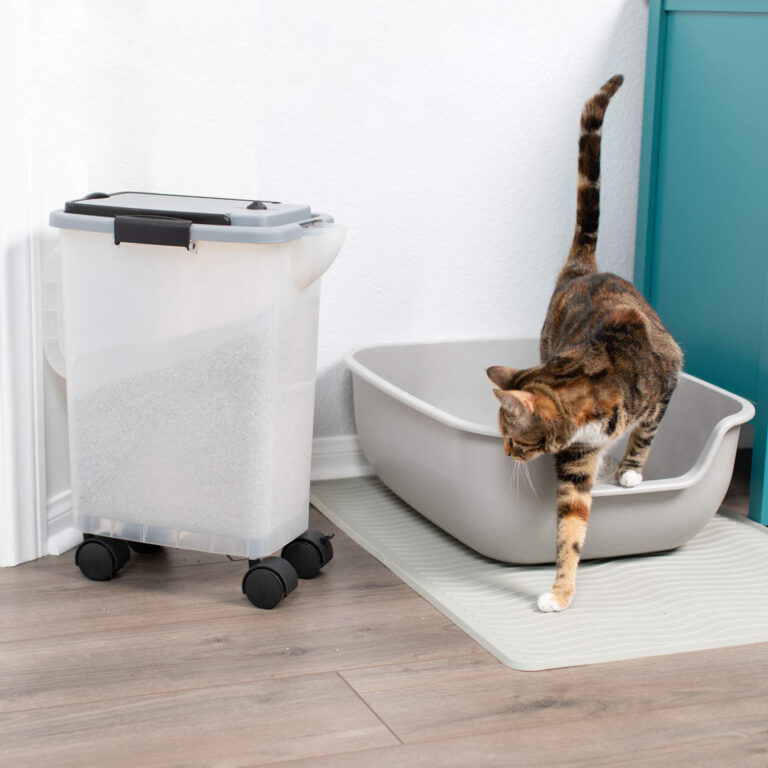
- Store litter dry and sealed — natural materials can degrade or smell if exposed to moisture before use.
Trade-offs to Be Aware Of
- Odor control may be weaker: Especially compared to premium clay or silica — must rely on frequent cleaning.
- Clumping performance is often weaker or absent: Many eco-litters don’t clump, which can make scooping less efficient.
- More frequent litter changes: Because moisture and odor accumulate faster than high-capacity clay or silica litters.
- Cost per usable day may rise with many cats: Because of frequent changes, you may use more litter overall.
When Eco-Friendly Litter Makes the Most Sense for Multi-Cat Homes
Eco-friendly litter is especially good when:
- You care about sustainability and reducing environmental impact.
- Your cats tolerate natural textures well.
- You’re committed to frequent maintenance (scooping, litter changes) and good ventilation.
- Your home is large enough to accommodate deep litter boxes or multiple boxes to manage volume.
Final Verdict
For multi-cat homes, eco-friendly litter can absolutely work — especially wood-based, plant-based, or recycled-fiber litters — as long as you’re ready for a slightly more active maintenance routine. The biggest strength is environmental friendliness combined with manageable handling, while the trade-offs are weaker odor control and more frequent cleaning.
If you value sustainability, lighter handling, and reduced dust — and are willing to scoop and change litter more often — eco-friendly litter can offer a balanced, responsible solution.