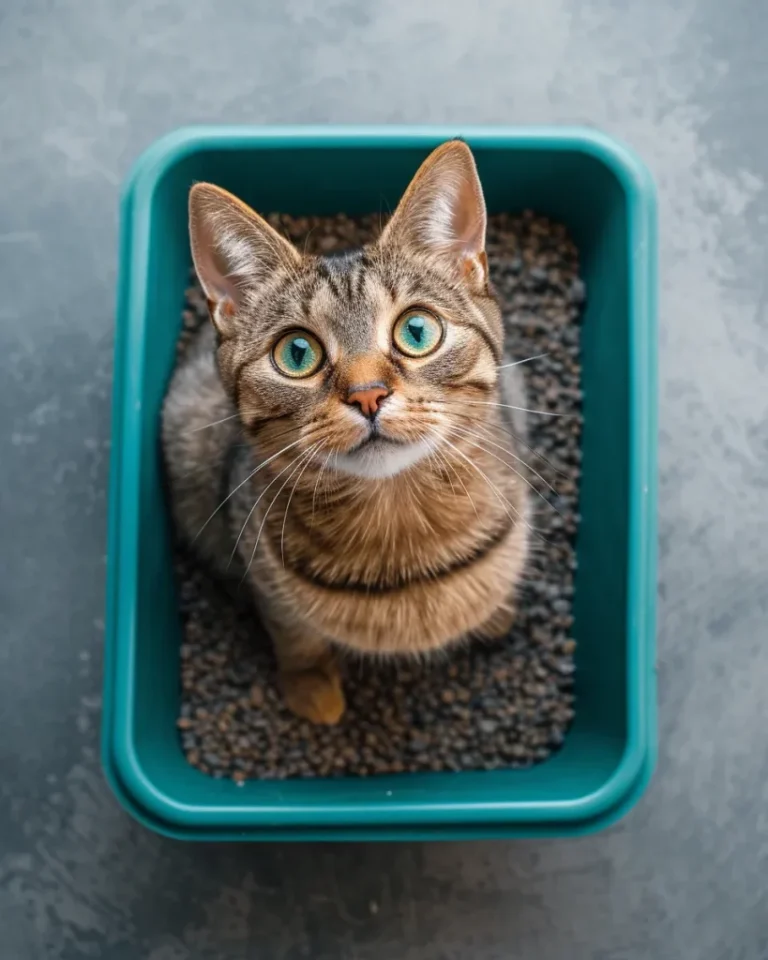
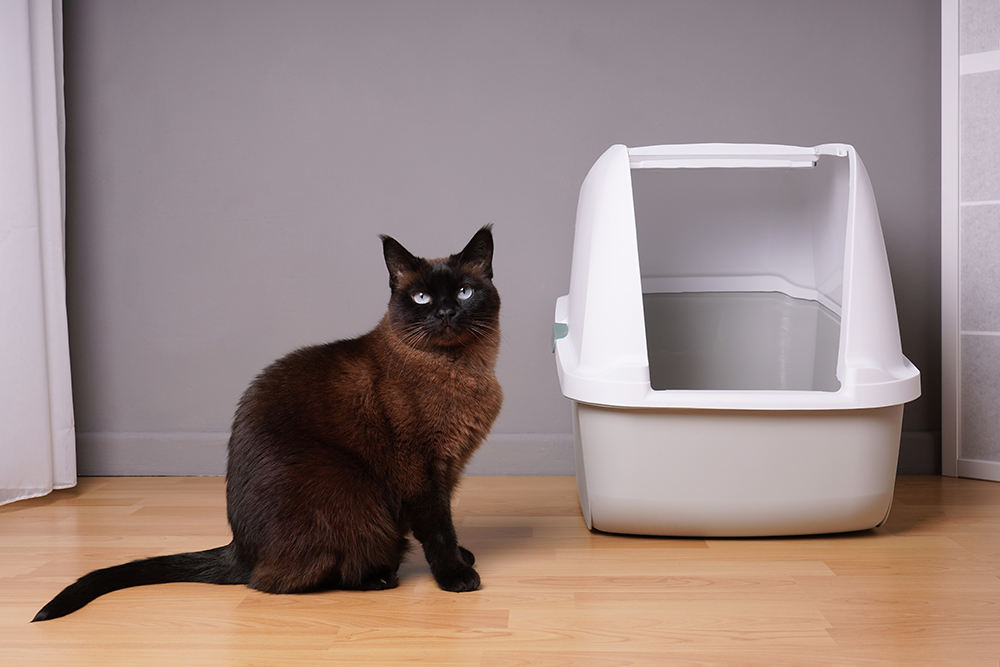
One of the most frustrating problems for cat owners is when their feline companion suddenly stops using the litter box. Cat litter issues are often the culprit, but understanding the underlying reasons can help solve the problem and restore harmony at home. In 2026, experts emphasize both behavioral and environmental factors that influence litter box use.
Common Reasons Cats Avoid Litter Boxes
1. Dirty Litter Box
Cats are naturally clean animals. A litter box that is not scooped regularly or has lingering odor can discourage use. Even a small buildup of waste may prompt your cat to seek cleaner alternatives around the home.
Tip: Scoop daily and completely change the litter according to its type — usually every 1–4 weeks depending on clumping, silica, or plant-based formulas.
2. Litter Type and Texture
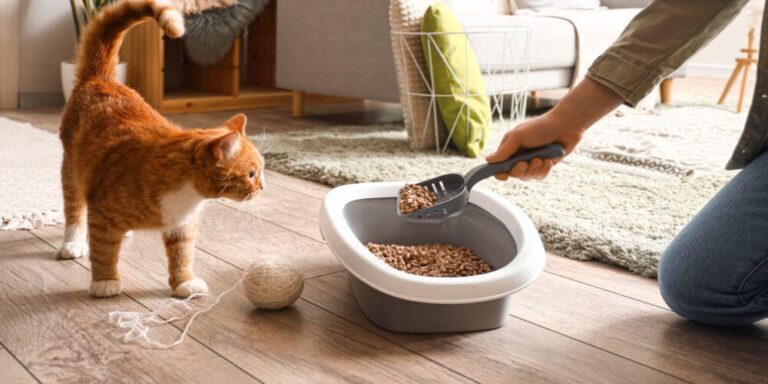
Cats can be very particular about the feel of their litter. A cat accustomed to fine-grain clay may reject coarse plant-based litter, or a crystal/silica texture might not be comfortable for their paws.
Tip: Observe your cat’s preferences and consider a gradual transition when switching litter types. Mixing old and new litter over several days helps reduce stress.
3. Odor and Scent
While humans may tolerate scented litter, some cats are sensitive to strong fragrances or chemical additives. Overpowering scents can drive cats away from their box.
Tip: Opt for unscented, low-dust litters with strong natural odor control. This balances cleanliness with comfort.
4. Litter Box Location
The placement of the litter box is critical. Cats prefer quiet, low-traffic, and private areas. Boxes placed near loud appliances, busy hallways, or food and water stations may be avoided.
Tip: Ensure boxes are in calm, accessible locations with some privacy for the cat.
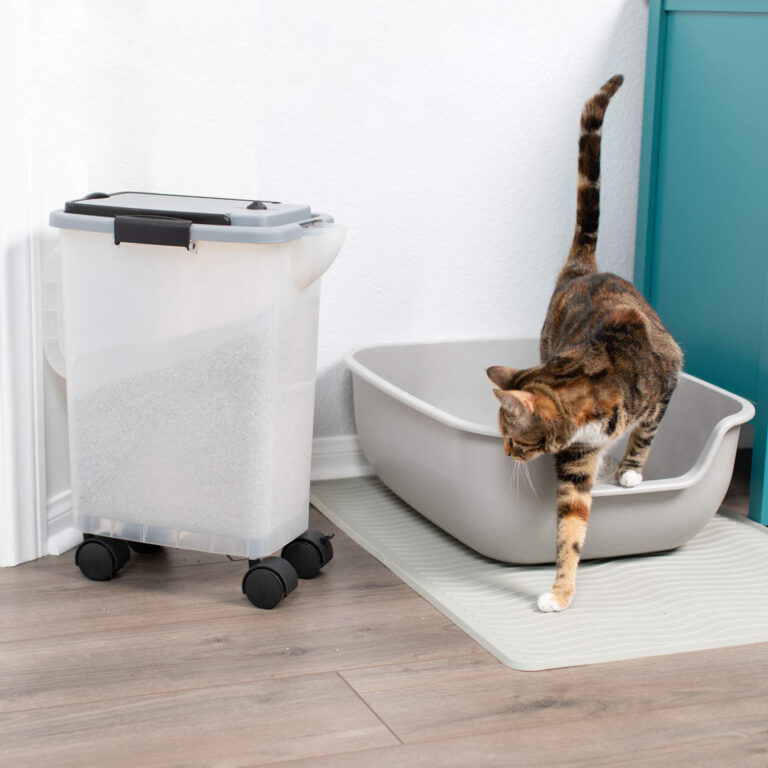
5. Box Size and Type
A litter box that is too small, shallow, or covered may b
Tip: Choose appropriately sized boxes and consider multiple options in large or shared spaces. Covered boxes can help reduce tracking but may trap odor and deter shy cats.
6. Health Concerns
Avoidance can also signal health issues like urinary tract infections, constipation, or arthritis. Cats experiencing pain may associate the litter box with discomfort.
Tip: If your cat suddenly avoids the litter box or exhibits other behavioral changes, consult a veterinarian to rule out medical problems.
Solutions to Common Litter Problems
- Daily scooping and regular full changes maintain cleanliness and odor control.
- Choose the right litter type based on your cat’s comfort and dust sensitivity.
- Provide multiple boxes in multi-cat households to reduce competition.
- Proper box placement away from noise and traffic ensures privacy.
- Observe your cat’s behavior to detect litter or location preferences.
Preventing Future Litter Box Avoidance
- Introduce new litter slowly to avoid sudden changes.
- Keep all boxes consistently clean — cats are highly sensitive to hygiene.
- Monitor for health issues with routine vet check-ups.
- Use mats around the litter box to catch tracked litter and reduce mess.
- Experiment with box types or litter granules to suit your cat’s preferences.
Final Thoughts
When cats avoid litter boxes, it’s rarely due to rebellion — most often, environmental or litter-related factors are at play. By understanding common litter problems and responding proactively with the right litter type, clean boxes, proper placement, and attention to your cat’s needs, you can prevent accidents, reduce stress, and ensure a comfortable, odor-free home for both you and your cat.