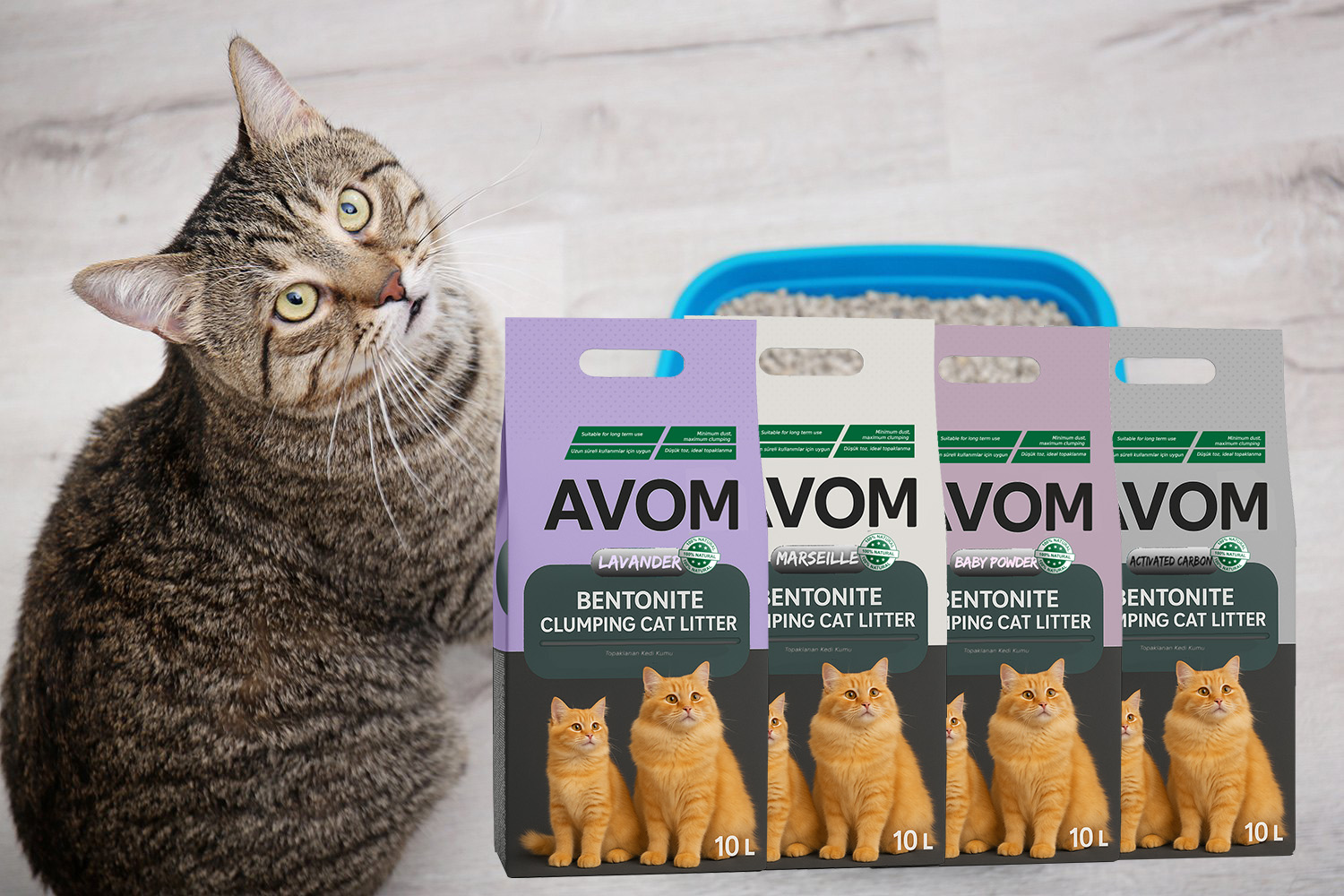
A clean, odor-free home is the goal for every cat owner. The right cat litter can make a big difference — especially if you live in an apartment or have multiple cats. In 2026, many cat litter types offer improved odor control, dust reduction, and easy maintenance. This guide walks you through how to choose litter that really works and reviews what features tend to perform best when tested under real-life conditions.
Best Cat Litter
Why Odor Control Matters
Cat urine and feces produce ammonia and other odorous compounds that can linger in the air and make living spaces unpleasant. Effective odor‑control litter helps by:
- Absorbing moisture quickly before ammonia builds up
- Sealing in odors instead of just masking them
- Reducing the need for frequent full litter changes
A good odor‑control litter makes daily life easier for you — less frequent cleaning, a fresher home, and happier cats.
What Makes a Litter “Odor‑Free Friendly”: Key Properties
When evaluating cat litter for odor control, these factors matter most:
- High absorption and moisture capacity — to soak up urine fast.
- Odor‑locking or neutralizing materials — to trap ammonia and waste smell inside the litter granules or crystals.
- Good clumping (if clay‑based): helps isolate waste so smell doesn’t spread.
- Low dust and minimal tracking: prevents dust particles or waste residue from spreading odor around the home.
- Durability or long‑lasting performance — to maintain freshness even in heavy‑use or multi‑cat homes.
Litter Types That Perform Best in Real Tests
Based on user reviews and expert testing, the following litter types consistently deliver strong odor control in 2026.
1. Premium Clumping Clay Litters
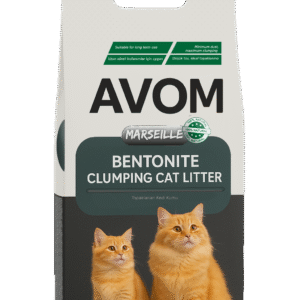
High‑quality clumping clay litters remain a reliable standard. When labeled “odor‑lock,” “extra clumping,” or “multi‑cat,” they tend to deliver quick absorption and solid clumps that seal in urine and waste odor effectively.
Best for: single- or multi‑cat homes, daily maintenance routines.
Things to check: choose low‑dust formulas to reduce air particles and avoid over‑saturation by scooping regularly.
2. Silica / Crystal Litters
Silica or crystal litters — with gel‑like absorbent crystals — often outperform many clay options on odor control. Because crystals absorb moisture thoroughly and trap smell, they can stay odor‑free for longer periods, even up to several weeks depending on use.
Best for: people wanting less frequent cleaning, small apartments, multi‑cat households, or those sensitive to dust.
Things to check: some cats dislike crystal texture; many versions don’t clump — you’ll need periodic full litter replacement.
3. Clumping Clay with Odor‑Neutralizing Additives
Some advanced clay‑based litters include odor‑neutralizing components (such as baking soda or activated carbon) to enhance smell control — useful in households with multiple cats or slow ventilation.
Best for: heavy‑use homes, apartments, or areas where odor tends to linger.
Things to check: additives may raise cost; check for low dust and proper clump strength.
4. Eco‑Friendly / Plant‑Based Litters with Strong Absorption
Natural litter alternatives — wheat, corn, wood, or fiber-based — have improved significantly. Some of these now combine decent odor absorption and control with eco‑friendly, biodegradable materials.
Best for: cat owners seeking sustainability while wanting acceptable odor control, especially for single‑cat homes or owners who clean frequently.
Things to check: performance varies by formula; more frequent changes may be needed compared to clay or silica litters.
Real‑Life Test & Review Checklist
Before committing to a litter, consider testing with this checklist:
- How quickly does it absorb liquid? (Seconds matter — faster absorption = better odor control)
- Does it clump firmly and break down easily? (For scoopable litter)
- How long does odor stay away? (Check after 24 hours, 3 days, 1 week)
- Any dust or tracking issues? (Check after 1–2 uses)
- How much litter remains usable after cleaning? (Efficiency per bag)
Buying a small bag for testing first helps avoid surprises — cats and homes vary.
Tips to Maximize Odor‑Free Performance
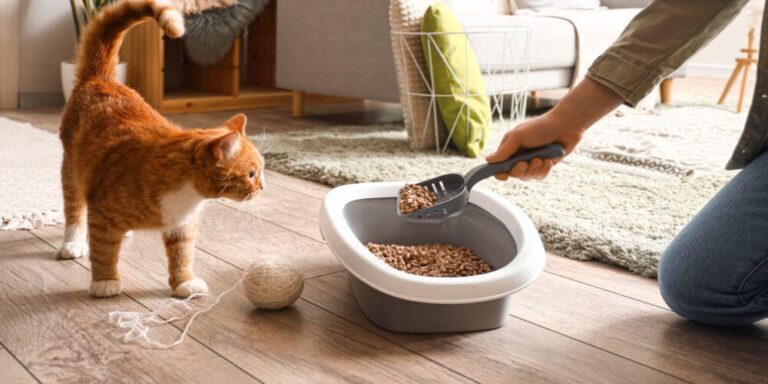
- Scoop waste daily — even the best litter can only do so much; removing urine/feces reduces ammonia buildup.
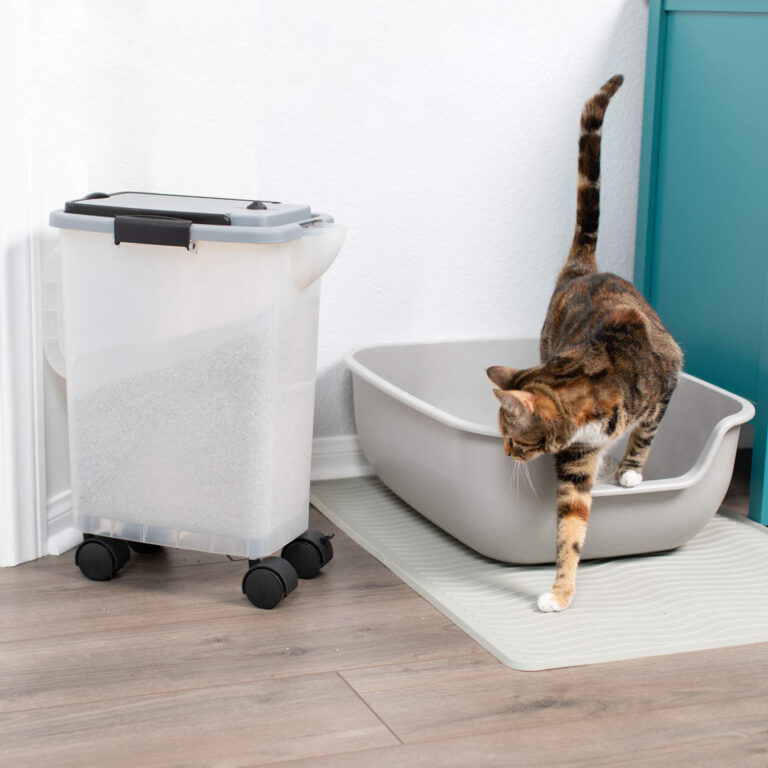
- Use well‑ventilated litter box areas — airflow helps prevent lingering odors.
- Use covered or high‑sided litter boxes — minimizes odor spreading and helps contain litter.
- Regularly replace litter when saturated or after heavy use, especially in multi‑cat households.
Final Thoughts
There isn’t a one‑size‑fits‑all “best litter” — but in 2026, you have a variety of high‑performance options. Premium clumping clay, high‑absorbing silica/crystal, odor‑neutralizing clay, or improved eco‑litters all offer strong odor control when used properly. The best choice depends on how many cats you have, how often you clean, and whether you prioritize low maintenance or maximum odor control. With the right litter and routine, an odor‑free home is absolutely possible — even with cats.