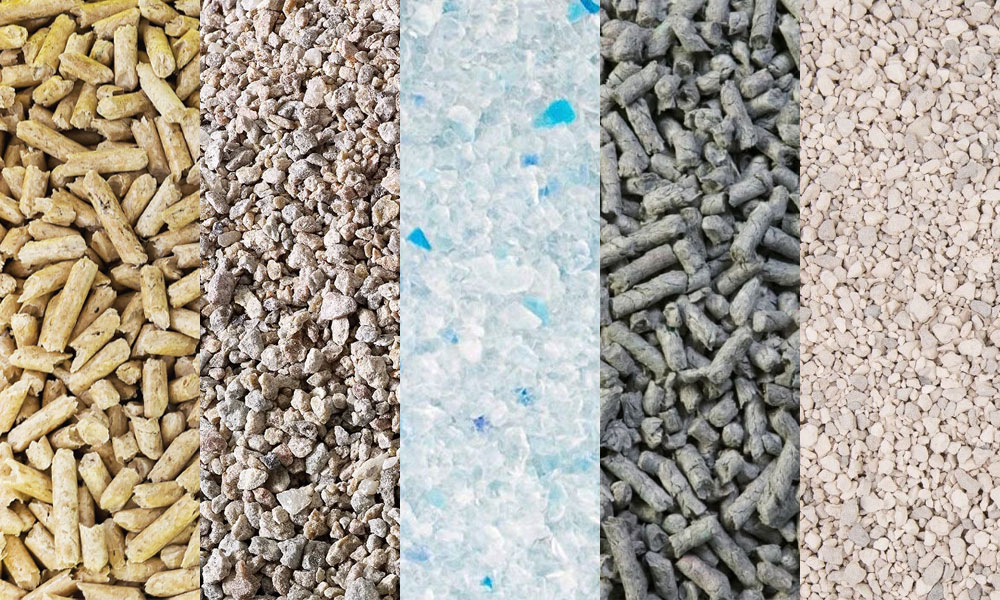
Choosing the right cat litter can feel confusing — there are so many types available today. Clumping clay, silica (crystal), plant-based, wood, paper — each has pros and cons. In 2026, litter technology and variety are better than ever, so selecting the correct litter depends on your cat’s needs, your lifestyle, and your home preferences. This guide compares the main types — how they work, where each shines, and where they fall short.
Overview: Main Cat Litter Types
Here are the most common litter categories cat owners choose from:
- Clumping Clay Litter — usually bentonite-based, forms clumps when wet.
- Silica / Crystal Litter — made from absorbent silica gel crystals.
- Plant-Based / Biodegradable Litter — made from corn, wheat, wood, tofu, paper or similar natural fibers.
- Wood / Pellet / Paper-Based Litter — lightweight, often low‑dust, sometimes non‑clumping.
Each type suits different needs: some better for odor, some for dust control, some for environmental concerns.
Detailed Comparison: Strengths & Trade‑offs
✅ Clumping Clay Litter
Strengths:
- Excellent clumping and quick absorption — helps isolate urine and feces fast.
- Great odor control (especially in quality formulas).
- Easy scooping and cleaning — only waste gets removed, rest stays usable.
Trade‑offs:
- Heavy to carry and store.
- Some formulas produce dust or tracking.
- Not eco‑friendly; clay mining and disposal create environmental concerns.
Best for: multi‑cat households, owners wanting easy daily cleaning, people prioritizing odor and convenience.
✅ Silica / Crystal Litter
Strengths:
- Very good moisture absorption and odor locking — crystals trap wetness and smell inside.
- Low dust and minimal tracking — better for apartments or sensitive cats/owners.
- Long‑lasting — can stay effective for weeks before full replacement.
Trade‑offs:
- Usually non‑clumping — you need to remove solid waste & eventually change all litter.
- Some cats dislike crystal texture.
- Slightly higher cost per kilogram, though longevity often offsets this.
Best for: small apartments, busy owners, allergy‑sensitive cats or owners, those wanting less frequent litter changes.
✅ Plant‑Based / Natural / Biodegradable Litter
Includes corn, wheat, wood, tofu, paper, or mixed natural‑fiber litters.
Strengths:
- Biodegradable and often compostable — eco‑friendly and sustainable.
- Light weight — easier to carry and store.
- Low dust and softer texture — gentle on paws; good for kittens, seniors, or sensitive cats.
Trade‑offs:
- Odor control and absorption performance vary widely by material and brand.
- Clumping may be weak or absent, requiring frequent full litter changes.
- May be more costly per use; supply can be limited depending on region.
Best for: eco-conscious owners, homes with single cats or light litter use, kittens / small / sensitive cats, owners willing to do frequent cleaning.
✅ Wood / Pellet / Paper-Based Litter
Some biodegradable litters use recycled paper, wood pellets, or other lightweight materials.
Strengths:
- Very low dust, soft on paws, lightweight.
- Sometimes flushable or compostable (depending on local rules).
- Gentle texture — good for kittens, older cats, or cats with sensitive paws.
Trade‑offs:
- Often non‑clumping, with weaker odor control than clay or silica.
- Requires frequent replacement.
- Not ideal for multi‑cat or heavy use households.
Best for: kittens, cats with sensitivities, minimal‑use homes, owners prioritizing eco‑friendliness and soft texture.
Which Litter Fits Which Situation? (Quick Decision Guide)
| Household / Need | Recommended Litter Type |
|---|---|
| Multi‑cat home, frequent use, want easy cleaning & strong odor control | High‑quality clumping clay |
| Small apartment, less dust, long‑lasting freshness, convenience | Silica / crystal litter |
| Eco-conscious owner or lightweight & biodegradable preference | Plant-based biodegradable litter |
| Kitten / senior cat / sensitive paws or dust‑sensitive household | Paper / wood / pellet litter |
| Single cat, light use, willing to clean often | Plant-based or paper‑based litter |
Tips for Switching or Choosing Litter
- Transition gradually: If changing litter type (e.g. clay → plant‑based), mix old and new litter over several days to help cats adjust.
- Test small quantities first: Buy small bags to try, check odor, texture, dust, cat acceptance before committing.
- Maintain cleanliness: Regardless of litter type, daily scooping and regular full changes help keep box hygiene — essential for odor, health, and cat comfort.
- Consider litter box design: High‑sided or covered boxes reduce tracking and spillover — particularly helpful with lightweight or pellet litter.
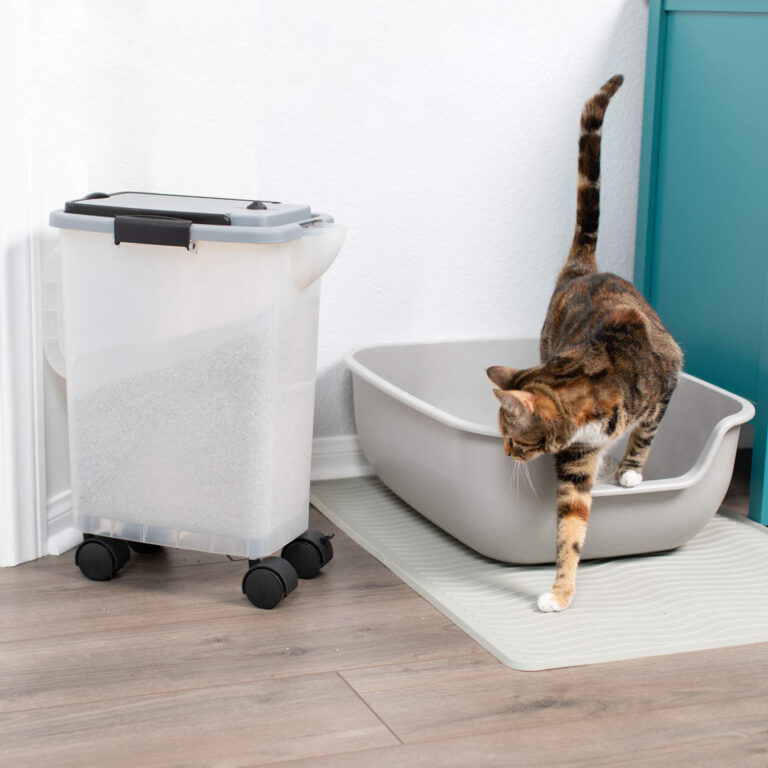
- Store litter properly: Especially for plant‑based or biodegradable types, keep in dry, sealed containers to avoid moisture or mold.
Final Thoughts
There is no one “perfect” cat litter for everyone — the best choice depends on your living situation, cat(s), cleaning habits, and personal priorities. Clumping clay remains strong for convenience and odor control. Silica / crystal litter offers low‑maintenance freshness, plant‑based litters deliver eco‑friendly comfort, and paper / wood‑based litters are great for soft texture and dusty environments.
By understanding the strengths and trade‑offs of each type — and possibly adapting based on your cats’ reactions — you can find a litter that keeps your home clean, comfortable, and better suited to your lifestyle in 2026.