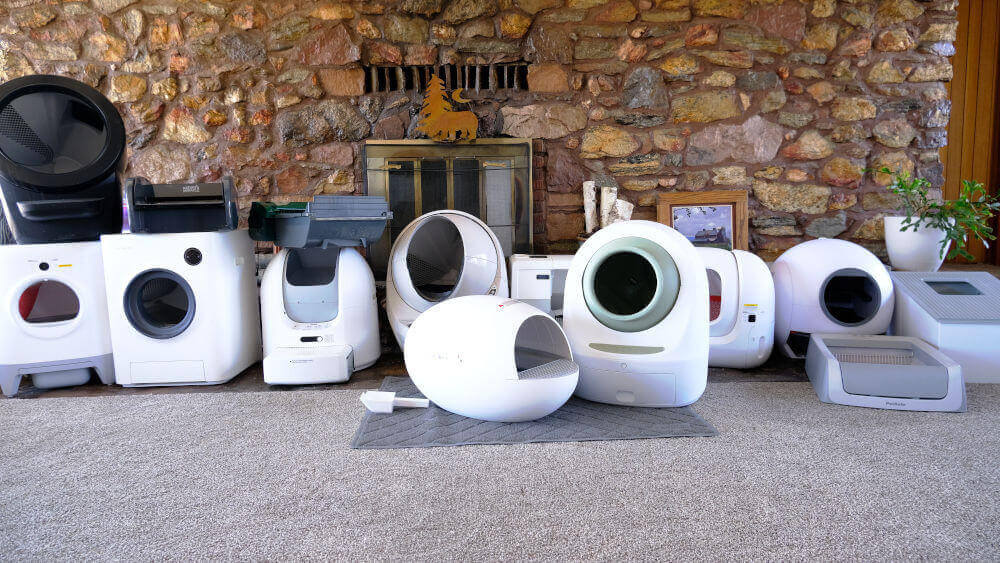
Automatic litter boxes offer great convenience — they reduce daily scooping and help maintain cleaner homes, especially for busy cat owners. But to get the best performance out of an automatic litter box, the choice of litter is crucial. By 2026, litter types and formulations have improved, offering better clumping, lower dust, and reliable moisture handling. This guide helps you choose the best cat litter types suited for automatic litter boxes and maximize their benefits.
Why Litter Choice Matters with Automatic Boxes
Automatic litter boxes work by raking, sifting, or flushing waste automatically after your cat uses the box. If the litter doesn’t clump properly, is too dusty, or doesn’t absorb moisture well — the mechanism may break, clog, or fail to remove waste efficiently. A well-chosen litter ensures:
- Clean sifting or raking without clogging
- Minimal dust to protect both your cat and the box’s mechanical components
- Good odor and moisture control for lasting cleanliness
Key Properties to Look For in Litter for Automatic Boxes
When picking litter for an automatic box, aim for litter that is:
- Strong clumping and fast solid formation — so urine and feces are neatly isolated and removed.
- Low dust or dust‑free — dust can interfere with sensors, motors and make the box dirty over time.
- Consistent granule size and hardness — avoids clogging the rake or sifting mechanism.
- Good odor control and moisture absorption — to keep the box and room fresh between cleanings.
- Non‑tracking or minimal tracking — reduces litter carry‑out when the box is used.
Litter Types That Work Best with Automatic Boxes
Clumping Clay Litters (High‑Quality, Low‑Dust)
High‑quality clumping clay remains one of the best choices for most automatic litter boxes. These litters clump quickly and solidly, making automated scooping or raking smooth and efficient.
- Pros: Clumps reliably, affordable, widely available, strong odor control when used properly.
- Cons: Heavy to carry, some dust even in “low‑dust” formulas — but 2026 low‑dust versions have improved significantly.
Tip: Choose litters labeled “low‑dust”, “clumping”, or “automatic‑box compatible” for best results.
Crystal / Silica Litter (If Box Supports Non‑Clumping Litter)
Some automatic boxes are designed or adjustable to work with non‑clumping silica/crystal litter. Silica’s advantages—long‑lasting odor control, minimal dust, and consistent granule behavior—make it an appealing choice if you don’t rely on clumping.
- Pros: Very low dust, lighter to handle, excellent odor absorption and freshness over longer periods — good if you prefer less frequent full changes.
- Cons: Because it doesn’t clump, automatic scooping mechanisms may not work; you’ll need to manually remove solids and periodically replace all litter. Some cats dislike crystal texture.
Specialized Litter Formulas for Automatic Litter Boxes
Some brands now offer litter specifically labeled for “automatic litter boxes” — combining clumping, dust‑control, and uniform granule size. These can be a great match because they’re formulated with mechanical sifting/raking in mind.
- Pros: Optimized for automatic mechanisms — better clumping, minimal dust and minimal residue.
- Cons: Slightly higher price; availability can be limited depending on region or retailer.
Tips for Using Automatic Boxes With Any Litter
- Test a small bag first: Before fully switching, test how the litter behaves in your specific automatic box — clumping strength, rake/sift smoothness, dust levels.
- Maintain regular cleaning schedule: Even with auto cleanup, empty waste bins/trays often and replace litter periodically to avoid odor build‑up.
- Ensure litter depth as per box instructions: Too little or too much litter can affect sifting performance.
- Monitor for dust or clogging: Especially with clay litter — if you notice buildup or mechanical hesitation, consider switching to a low-dust or crystal type.
- Use a high‑quality rake/sift box, and keep it clean: Clean the mechanism and trays periodically to ensure smooth operation.
Which Litter Type Should You Choose (Summary)
| Preference / Situation | Recommended Litter Type |
|---|---|
| Want clumping + easy auto removal | High‑quality, low‑dust clumping clay litter |
| Prefer low dust & long odor control and okay with manual cleaning | Crystal / silica litter (if your box allows) |
| Want optimal performance and minimal issues with automatic box | Automatic‑box specific litter formulas |
Final Thoughts
Automatic litter boxes deliver real convenience — but only if paired with a litter that works well with their mechanics. In 2026, high-quality clumping clay litters, low-dust formulas, and some crystal or specialized litters give cat owners flexibility and better performance. Choosing the right litter ensures smoother operation, fewer blockages, less dust, better odor control, and a happier cat.