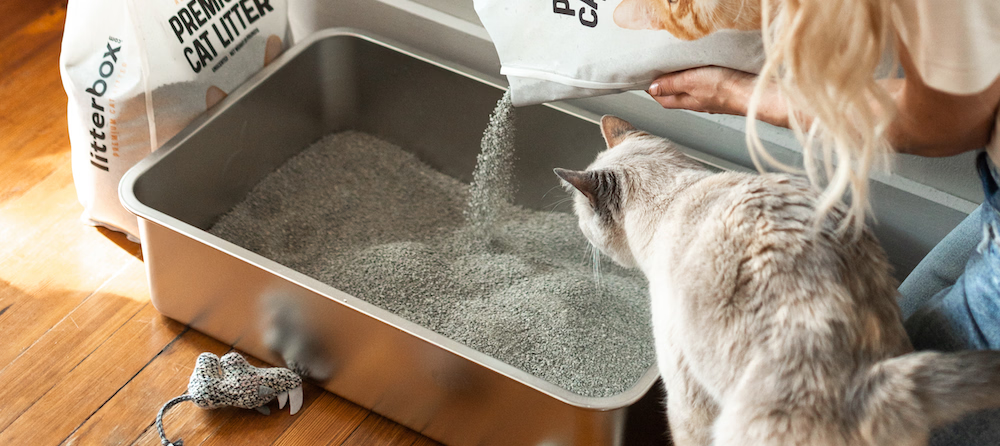
Maintaining a clean litter box is crucial for your cat’s health, comfort, and your home’s hygiene. But how often should cat litter really be changed? In 2026, research and veterinary recommendations provide clear guidance to help cat owners establish the best routine.
Why Regular Litter Changes Matter
- Preventing Odor: Cat urine contains ammonia, which builds up quickly if litter isn’t changed. Regular cleaning keeps the box smelling fresh.
- Health Concerns: Dirty litter boxes can harbor bacteria and parasites, potentially leading to urinary tract infections, gastrointestinal issues, or other illnesses.
- Behavioral Impact: Cats are naturally clean animals. A dirty litter box can lead to avoidance behaviors, causing accidents outside the box.
Factors That Affect Litter Change Frequency
1. Litter Type
- Clumping Clay Litter: Usually requires daily scooping and full replacement every 2–3 weeks for a single cat.
- Non-Clumping Litter: Needs more frequent complete changes, often every 3–5 days.
- Silica/Crystal Litter: Absorbs urine efficiently and may last up to 3–4 weeks before needing full replacement.
- Eco-Friendly/Plant-Based Litter: Odor control may be less effective, requiring more frequent full changes, sometimes every 1–2 weeks.
2. Number of Cats
- Single Cat: Standard replacement schedules are easier to follow.
- Multiple Cats: More frequent scooping and complete litter changes are necessary to manage odor and hygiene. A general rule is one litter box per cat plus one extra, scooped daily.
3. Cat Health and Age
- Kittens and older cats may produce more accidents or have sensitive systems, necessitating more frequent cleaning.
- Cats with urinary or gastrointestinal conditions may require stricter litter hygiene.
4. Household Conditions
- Small apartments or poorly ventilated rooms accumulate odor faster.
- Homes with allergy-sensitive humans benefit from frequent litter changes to reduce dust and airborne particles.
Scientifically Backed Recommendations
Veterinarians and pet care studies suggest:
- Daily scooping: Removes clumps and feces promptly.
- Complete litter replacement: Varies by litter type and household, but generally:
- Clumping litter: every 2–3 weeks
- Silica/Crystal litter: every 3–4 weeks
- Eco-friendly or non-clumping litter: every 1–2 weeks
- Cleaning the litter box itself: Wash with mild, unscented soap at each full litter change to prevent bacterial buildup.
Tips for Maintaining a Fresh Litter Box
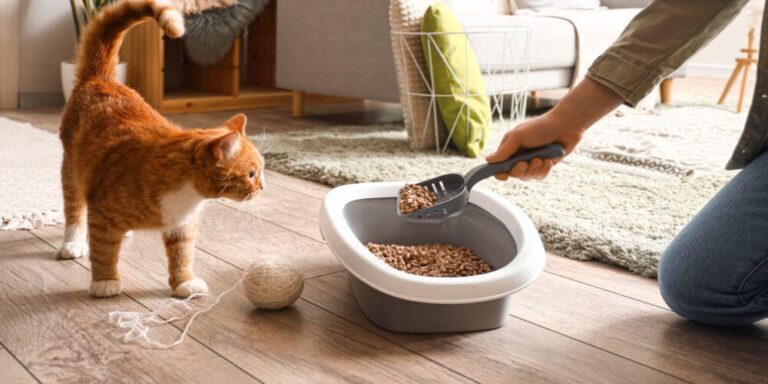
- Use the right scoop: A sturdy, slotted scoop removes clumps efficiently.
- Keep litter box location ideal: Well-ventilated areas reduce odor accumulation.
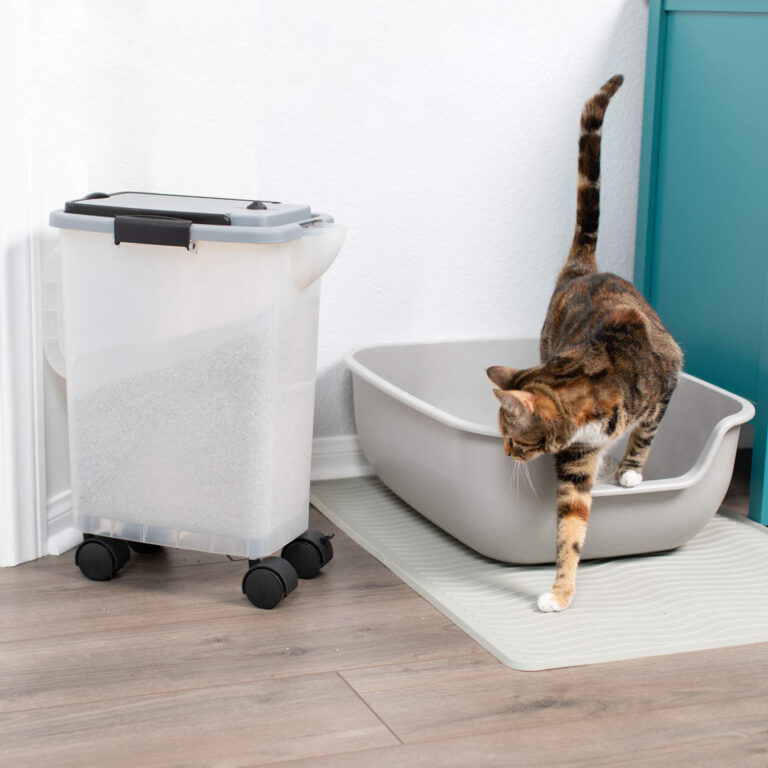
- Consider litter mats: Help catch stray granules and reduce mess.
- Monitor litter condition daily: Even with long-lasting litter, remove visible urine or feces immediately.
- Choose quality litter: High-absorption, low-dust, odor-control formulas extend freshness and reduce maintenance.
Signs You Need to Change Litter Sooner
- Persistent ammonia odor
- Litter sticking excessively to cat’s paws
- Cats avoiding the box
- Visible bacterial buildup or mold
- Excessive dust in the surrounding area
Final Thoughts
Changing cat litter at appropriate intervals is essential for cat health, home hygiene, and comfort. By considering litter type, number of cats, cat health, and household conditions, you can create a scientifically informed cleaning schedule. Daily scooping, periodic full litter replacement, and regular box cleaning keep both you and your cat happy — ensuring a fresh, odor-free home.