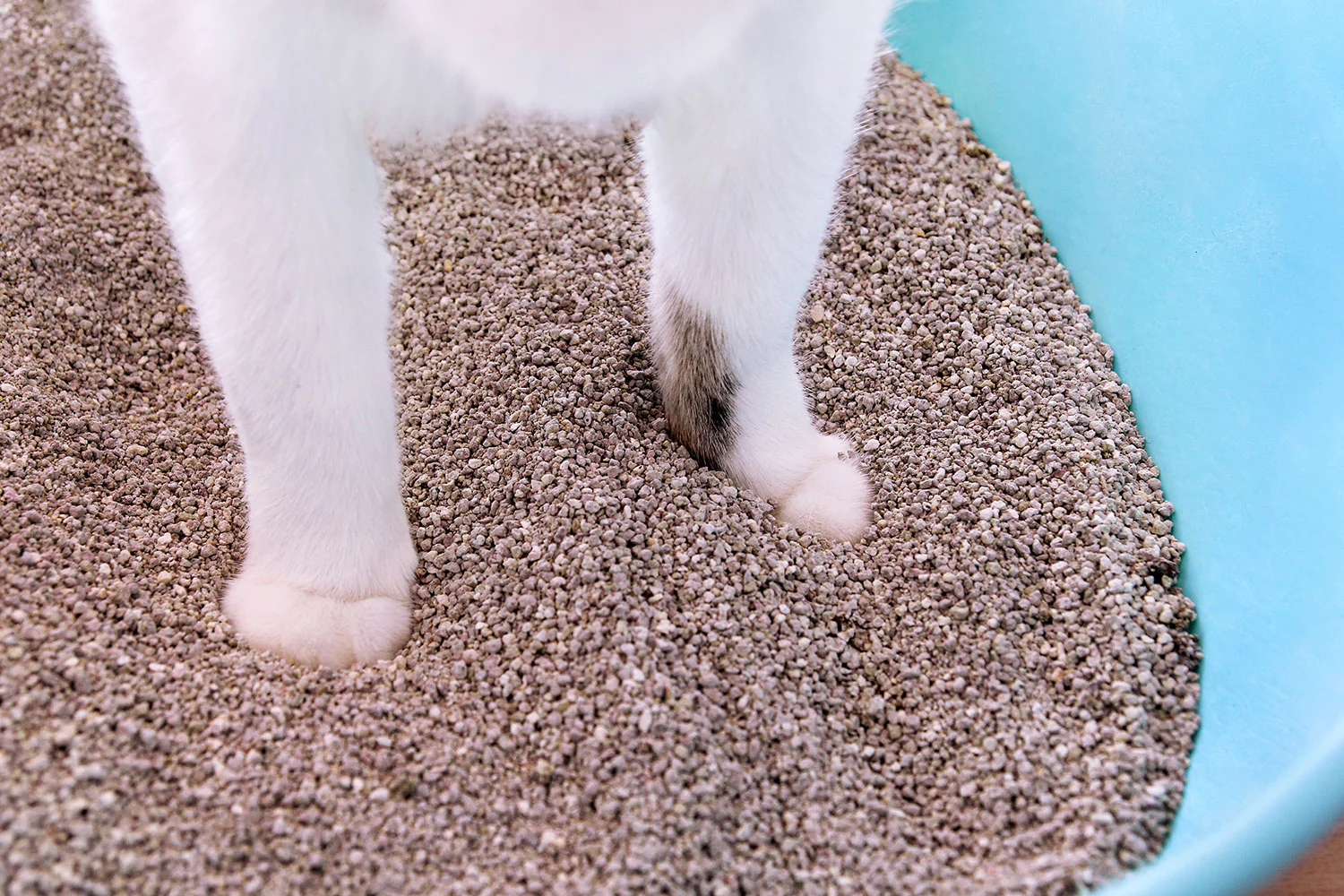
Choosing the right cat litter is not just about comfort for your feline — it also impacts the environment. In 2026, cat owners are more conscious than ever about sustainable options, alongside traditional clay-based litters. Understanding the differences between eco-friendly and clay litter types can help you make informed choices that suit both your cat’s needs and your environmental values.
Understanding Clay Cat Litter
Clay litter, especially bentonite-based, has been a long-time standard for cat owners due to its:
- Excellent clumping ability: Forms firm clumps around waste for easy scooping.
- Strong odor control: Absorbs moisture effectively and helps reduce ammonia smell.
- Wide availability: Found in most stores globally and available in different formulas (scented, unscented, low dust).
Drawbacks:
- Environmental impact: Mining bentonite or clay can cause significant ecological disruption.
- Non-biodegradable: Clay litter cannot easily decompose, creating landfill waste.
- Dust issues: Some clay litters produce dust that may irritate cats and humans.
Clay litter is ideal for households prioritizing odor control, clumping strength, and convenience — but it comes with ecological trade-offs.
Exploring Eco-Friendly Cat Litter
Eco-friendly litter options are derived from renewable, biodegradable materials such as:
- Corn
- Wheat
- Wood or pine
- Paper
- Tofu or plant fibers
Benefits:
- Biodegradable: Breaks down naturally in compost or landfill, reducing environmental footprint.
- Low dust and gentle on paws: Often softer and less irritating for cats, especially kittens and senior cats.
- Sustainable sourcing: Many brands focus on renewable, plant-based materials.
Drawbacks:
- Odor control varies: Some plant-based litters may need more frequent changing to prevent smell.
- Clumping performance differs: Not all eco-litters clump as strongly as clay.
- Cost: Premium eco-litters may be more expensive than traditional clay.
Eco-litter is ideal for cat owners who prioritize environmental responsibility, softer granules, and reduced chemical exposure.
Comparing Performance: Cat Comfort and Home Cleanliness
| Feature | Clay Litter | Eco-Friendly Litter |
|---|---|---|
| Clumping Ability | Excellent | Varies by type |
| Odor Control | Strong | Moderate to good |
| Dust Levels | Moderate to high | Low |
| Environmental Impact | High (non-biodegradable) | Low (biodegradable) |
| Cost | Affordable | Often higher |
| Cat Preference | Generally acceptable | Cats may vary |
When choosing, consider your cat’s habits. Some cats prefer heavier, firm granules of clay, while others enjoy softer, lighter eco-litter.
Making the Right Choice for Your Household
- Assess your priorities: Odor control, clumping performance, environmental impact, cost, and cat comfort.
- Test gradually: Introduce eco-litter slowly if switching from clay to avoid confusion or litter aversion.
- Consider multiple cats: Strong odor control and clumping may be more crucial in multi-cat households.
- Combine strategies: Some owners mix eco-litter with clay to balance odor control and environmental impact.
- Maintenance matters: Regardless of type, regular scooping and cleaning are essential for hygiene and odor prevention.
Final Thoughts
Choosing between eco-friendly and clay cat litter depends on your values, your cat’s preferences, and your household needs. Clay litter remains excellent for odor control and clumping, while eco-litter shines in sustainability and low dust. In 2026, a growing number of cat owners are opting for eco-friendly options, recognizing the benefits for both the planet and their pets. By understanding these differences and testing what works best for your cat, you can maintain a clean, comfortable, and environmentally conscious home.