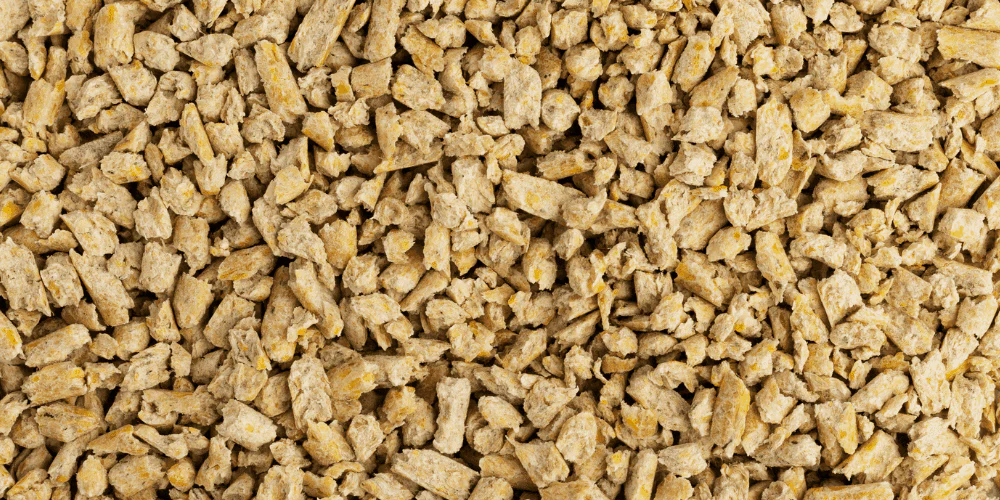
In recent years, many cat owners have shifted away from traditional clay‑based litter and started using natural and biodegradable cat litter. This trend is not just about being environmentally friendly — it also reflects growing awareness around dust, odor, cat comfort, and disposal practices. In 2026, natural & biodegradable litters offer a strong mix of advantages for cats and owners. Below is why these litters are increasingly preferred, what types are available, and what to consider if you switch.
🌱 Why Natural & Biodegradable Litter Is Gaining Popularity
Environmental Impact & Sustainability
Traditional clay-based litters often rely on strip‑mining or non-renewable resources. In contrast, biodegradable litters are usually made from renewable or recycled materials — wood scraps, plant fibers, paper, corn, wheat, tofu, etc. By using biodegradable litter, cat owners contribute less to landfill waste, reduce environmental footprint, and support sustainable practices for pets.
Better Indoor Air Quality & Health
Many natural litters generate less dust and fewer airborne particles than basic clay litters. Reduced dust means fewer irritants for cats and human household members — a real benefit especially if someone has allergies or respiratory sensitivity. For kittens or cats with respiratory issues, less dust and gentle materials can make a noticeable difference.
Gentle on Cats (Paw Comfort & Safety)
Natural litters often have softer textures or lighter granules compared to heavy clay. This softer, more natural feel is usually gentler under the paws, which cats — especially kittens, seniors, or sensitive cats — may appreciate more. Biodegradable material also reduces the risk of accidental ingestion of harmful dust or chemicals.
Easy Disposal & Eco‑Friendly Options
Many biodegradable litters can be composted (where local regulations allow) or disposed of more responsibly than clay litter. Some can even be flushed (if safe and permitted), which is difficult with heavy clay that clumps or packs tightly. For environmentally conscious cat owners, this is a major advantage.
Improved Odor & Moisture Management (in Many Cases)
Modern natural litters have improved significantly. Many now offer reasonable odor control and moisture absorption — sometimes comparable to clay, especially in single‑cat or light‑use households. For regular cleaning routines, these litters are more than adequate while offering added benefits.
🔎 Types of Natural & Biodegradable Cat Litters
Here are some common types of natural / biodegradable litters available in 2026:
- Wood‑based litters: made from sawdust, pine wood, recycled wood fibers. Often comes in pellet or granular form.
- Plant‑based litters (corn, wheat, soy, tofu): compostable litters made from grains or plant byproducts; some clump, others absorb moisture.
- Paper‑based litters: made from recycled paper — often soft, light, and low‑dust. Good for kittens or cats with-sensitive paws/respiratory systems.
- Mixed natural blends: combining different natural fibers or materials to balance absorbency, odor control, and softness.
Each type has trade‑offs in texture, odor control, dust level, and disposal. But for many owners, the benefits outweigh small inconveniences.
✅ When Natural/Biodegradable Litter Is Especially Worth It
- You care about the environment or sustainability and want your pet care choices to reflect that.
- There are allergy‑sensitive individuals or pets in your home — dust‑reduced litters improve indoor air quality.
- You have kittens, seniors, or sensitive cats that benefit from softer, lighter litter.
- You want easier, more responsible disposal — compostable or flushable options if permitted.
- Your household has light to moderate litter usage (e.g., single cat, regular cleaning) — especially good when high performance is less critical.
⚠ What to Consider or Sacrifice When Using Natural Litter
- Odor control may be weaker than premium clay — natural materials often don’t lock smell as powerfully, especially in multi‑cat households or warm climates.
- Clumping may be less reliable or absent — many natural litters don’t clump; you may need to change full litter more often.
- More frequent maintenance — because moisture absorption and odor locking are less aggressive, litter boxes may need to be cleaned or replaced more often.
- Cost and availability — natural or biodegradable litters may be more expensive per use or harder to find depending on region.
- Texture or granule size matters — some cats may dislike the feel or tracking of wood pellets or plant‑based granules. Transition period may be required.
Tips for Transitioning to Natural & Biodegradable Litter
- Mix old and new litter gradually — especially if switching from clay, blend small amounts over several days so your cat gets used to texture differences.
- Observe your cat’s behavior closely — refusal to use litter box may signal dislike; consider alternative natural types or go back to familiar litter.
- Maintain a strict cleaning schedule — for non‑clumping natural litter, scoop or replace more often to avoid odor build-up.
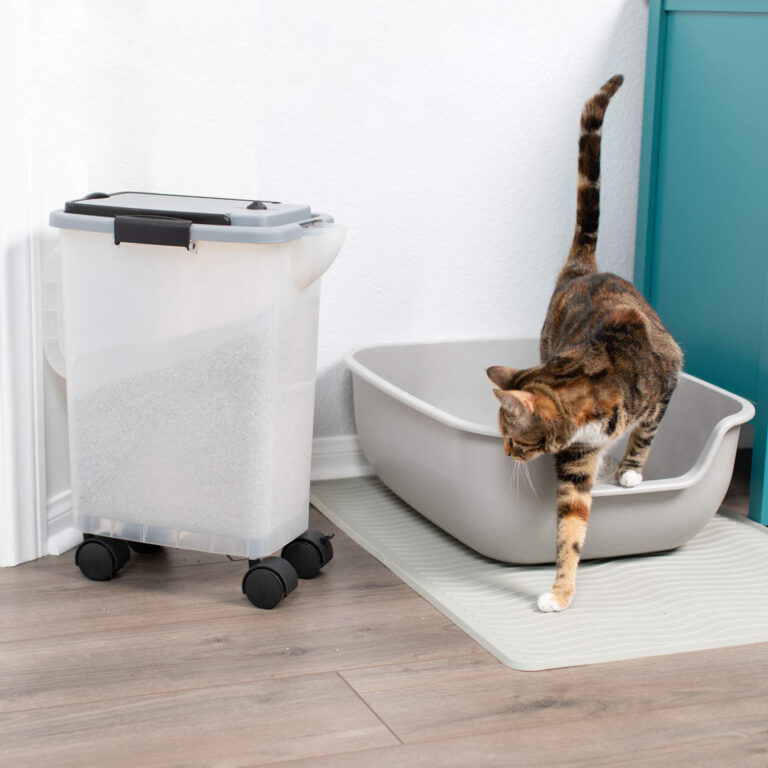
- Store litter properly — dry and sealed — natural materials may absorb humidity or moisture more easily than clay; keep in airtight containers if possible.
- Check disposal rules locally — composting or flushing may be allowed in some areas but not others; adapt based on regulations.
Final Thoughts
Natural and biodegradable cat litter is more than just a trend — in 2026, it’s a meaningful, practical alternative to traditional clay litter. For many cat owners, the benefits — lower environmental impact, improved indoor air quality, gentler texture, safer disposal — make it a worthwhile choice. While there are some trade‑offs in odor control or maintenance frequency, for households prioritizing sustainability, comfort, and health, natural litter offers a balanced solution.
If you’re ready for a greener, cleaner, and softer litter experience — natural/biodegradable litter might be the right next step for your cat and your home.