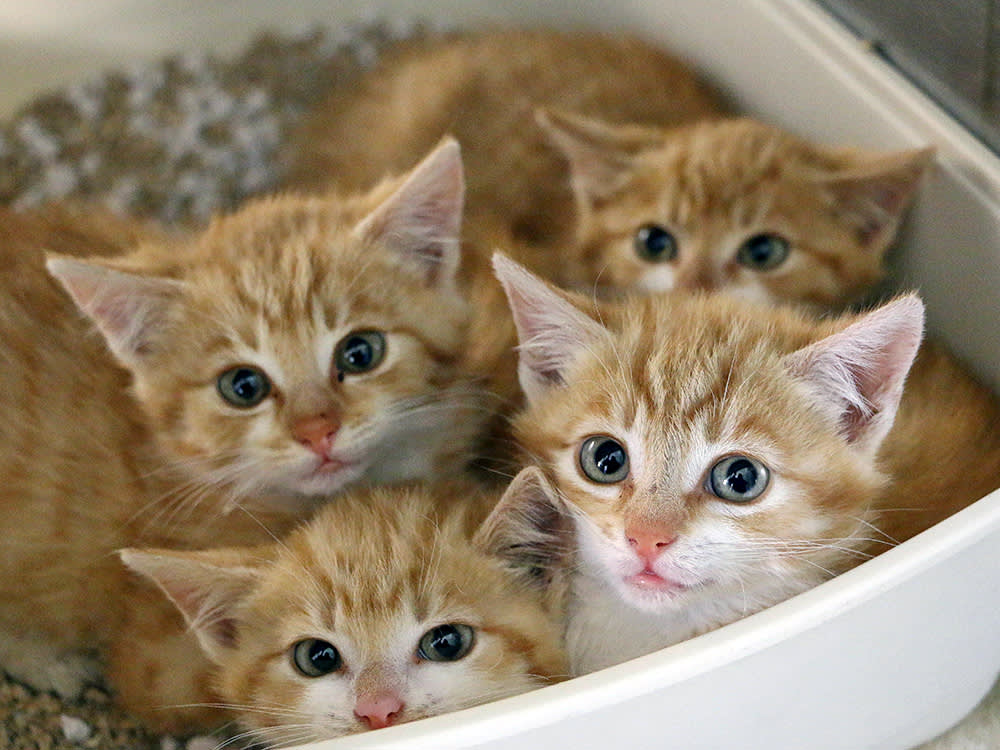
Having more than one cat brings joy — but also more litter maintenance. When you live with multiple cats, choosing the right cat litter matters even more. The ideal litter will control odor, clump well, reduce dust, and make cleaning manageable. In 2026, litter technologies offer many good options tailored for multi‑cat households. This guide helps you pick the best litter and keep your home fresh and clean.
Why Multi‑Cat Homes Need Special Litter
- More frequent waste: Every additional cat means more urine and feces daily.
- Faster odor build-up: Combined litter box use increases ammonia and smell.
- More litter box traffic: This accelerates wear on litter, making clumping and absorption more important.
- Potential hygiene issues: Without a good litter, frequent cleaning, dust, and odor can become problematic.
Because of these factors, a standard litter that works fine for a single cat may not be sufficient for a household with two or more cats.
What to Look for in a Good Multi‑Cat Litter
When shopping litter for a multi‑cat home, consider these key properties:
- Strong clumping and fast absorption: Helps manage frequent use and reduces smell quickly.
- Excellent odor control: High waste volume needs litter that traps or neutralizes smells effectively.
- Low dust and minimal tracking: Keeps the home cleaner despite frequent litter box use.
- High absorbency / moisture capacity: So the litter doesn’t saturate too quickly.
- Durability — able to last a few days or a week between full litter changes (with daily scooping).
Recommended Litter Types for Multi‑Cat Homes
Clumping Clay Litter (High‑Quality)
Clumping clay litter remains a robust choice for multi‑cat households. High‑quality bentonite‑based clumping litter offers good clump strength, absorbs moisture quickly, and simplifies daily scooping. For heavy use, look for variants labeled “multi‑cat” or “extra clumping”.
Pros: Strong odor control, easy scooping, widely available and generally affordable.
Cons: Bags are heavy; dust/tracking may occur with lower‑quality clay.
Clumping Clay with Odor‑Neutralizing Additives
Some clumping litters include additives (like baking soda or other odor‑neutralizers) to boost smell reduction — good for households where litter boxes are indoors in smaller spaces.
Pros: Extra odor control, helps keep boxes useable longer between full changes.
Cons: Slightly higher cost; effectiveness depends on litter change frequency plus scooping habits.
Silica / Crystal Litter (Large‑Capacity Use)
Silica or crystal litter is another viable option. Because crystals absorb moisture and lock odor effectively — and because they don’t readily saturate — they work well in multi‑cat settings when maintained properly (solid waste removed regularly, crystals stirred, full change when saturated).
Pros: Long-lasting odor absorption, minimal dust, light to handle.
Cons: Usually non‑clumping (so entire litter replacement periodically needed), some cats may dislike the texture.
High‑Quality Biodegradable or Plant‑Based Litter (If Capacity Is Sufficient)
If you prefer eco‑friendly options, some biodegradable litters with good clumping or absorbency can work — especially if you plan for frequent litter changes. In multi‑cat households, their performance is often a trade‑off: better for the environment, potentially softer or lighter, but may require more frequent changes.
Pros: Environmentally friendly, lower dust, lighter.
Cons: May need more frequent replacement, sometimes weaker odor/clump performance.
Best Practices for Maintaining a Clean Multi‑Cat Litter Box Routine
- Use multiple litter boxes: Rule of thumb — one litter box per cat, plus one extra. This reduces overuse and odor buildup.
- Scoop daily — twice a day if possible: Frequent scooping keeps waste from accumulating.
- Full litter replacement weekly (or every 5–7 days): Especially with high volume, full changes avoid odor and bacterial buildup.
- Keep litter boxes in well-ventilated or easy-to-air rooms: Good airflow helps reduce lingering smells.
- Choose litter boxes appropriate for capacity: Larger or covered boxes help contain mess, odor, and tracking.
Which Litter Should You Use for Multi‑Cat Homes?
- Best balance overall: A high-quality clumping clay litter labeled for multi‑cat use — offers strong clumping, odor control, and affordable cost.
- For less frequent maintenance: Silica/crystal litter — if you’re okay with periodic full changes and want minimal dust.
- For eco‑conscious households willing to do frequent changes: Good biodegradable or plant‑based clum
- For added odor‑control needs (e.g. small apartments): Clumping clay with odor‑neutralizing additives.
Final Thoughts
In 2026, living with multiple cats doesn’t have to mean constant litter drama — with the right litter type and a solid maintenance routine, you can keep your home clean, odor‑free, and comfortable. The key is to match litter features (clumping strength, odor control, dust level) to how many cats you have and how often you can clean. Whether you choose clumping clay, crystal, or biodegradable litter — a little care goes a long way in multi‑cat households.