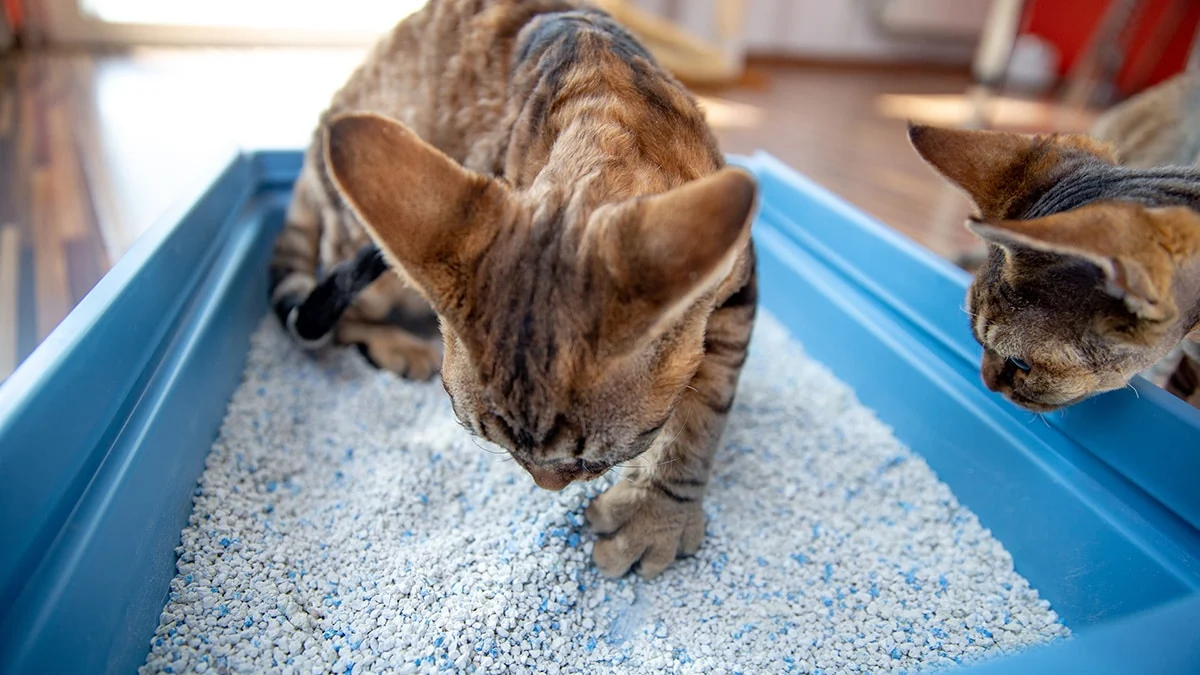
For homes where allergies or respiratory sensitivities are a real concern, traditional dusty litters can be a problem. Luckily in 2026 there are several genuinely low‑dust, cleaner options that still keep odor under control and stay practical for daily use. Below is a quick, brand‑neutral guide to the best dust‑free choices, who they suit, and how to use them well.
Why dust‑free litter matters
Dust from some clay‑based litters can irritate both cats and humans when airborne, especially in small or poorly ventilated spaces. Independent reporting and pet‑care coverage notes that newer litter types such as tofu or crystal are increasingly popular because they reduce dust or tracking compared to old‑style clay. A recent WIRED overview of litter types highlights that alternatives like tofu, crystal, wood, or paper can be less dusty and introduce different tradeoffs than clay.
Another source focused on pet‑owner guidance points out potential health concerns when fine dust from clays or mineral components gets inhaled, underscoring the value of lower‑dust products in sensitive homes.
So if you or someone in your household is allergy‑prone, choosing a litter that minimizes airborne particles is a smart move.
Top low‑dust litter categories worth considering
1) Silica crystal or gel litter
Best for: apartments, busy owners, households wanting long‑lasting odor control with minimal dust.
- Why it’s strong: silica crystals trap moisture and odors well, and they generally produce very little dust compared to many clay litters.
- Tradeoffs: usually pricier than clay; many versions don’t clump, so you stir and remove solids rather than scoop clumps. Some cats might take time to adapt to the feel of crystals.
- Use tip: keep a high‑sided box to reduce any tracking of granules, and refresh fully after several weeks depending on use.
2) Plant‑based low‑dust litters
This group includes tofu, wood, paper, or other natural‑fiber litters.
Best for: owners who want both low dust and environmental friendliness, or who have cats that dislike clay texture.
- Why it’s strong: a number of plant‑based litters are noted to be low in dust and gentle on paws, sometimes biodegradable, and lighter to handle than heavy clay bags. WIRED’s reporting emphasizes these as viable alternatives to clay, with different pros and cons but often lower dust. WIRED
- Tradeoffs: odor control and clumping vary by exact material and brand. Non‑clumping types need more frequent full changes. Some materials can be pricier or less available depending on region.
- Use tip: introduce gradually if switching from clay, mixing a small portion of the new litter with the old over several days until your cat is comfortable.
3) Paper‑based low‑dust litter
Best for: kittens, post‑surgery cats, or households where even tiny dust particles are a big concern.
- Why it’s strong: very low dust, soft on paws, and often fully biodegradable.
- Tradeoffs: usually non‑clumping, with weaker odor control than crystal or stronger clay clumpers; requires more frequent replacement.
- Use tip: use with a sifting or easily cleaned box, and change more often to keep odor in check.
Practical tips for allergy‑sensitive homes
Ventilation matters. Even low‑dust litter benefits from good airflow in the litter area.
Daily attention helps. Stirring silica, scooping solids, or removing soiled sections keeps air cleaner and odors minimal.
Watch your cat’s comfort. Texture and feel vary; if your cat avoids the box, try a slower mix‑over period or a slightly different material.
Avoid automatically assuming clay is best. While clay is common, low‑dust alternatives can significantly improve indoor air and quality of life for sensitive users—worth testing, especially in tight living spaces.
Bottom line
For allergy‑sensitive homes in 2026, focus on silica crystals, plant‑based low‑dust litters, or paper‑based options rather than dusty clay. They offer a cleaner indoor environment, acceptable odor control, and practical daily use—even if budgets, cat preferences, or availability require a bit of trial and adjustment. With the right pick and a little care, you can keep both your cat and your household breathing easier.