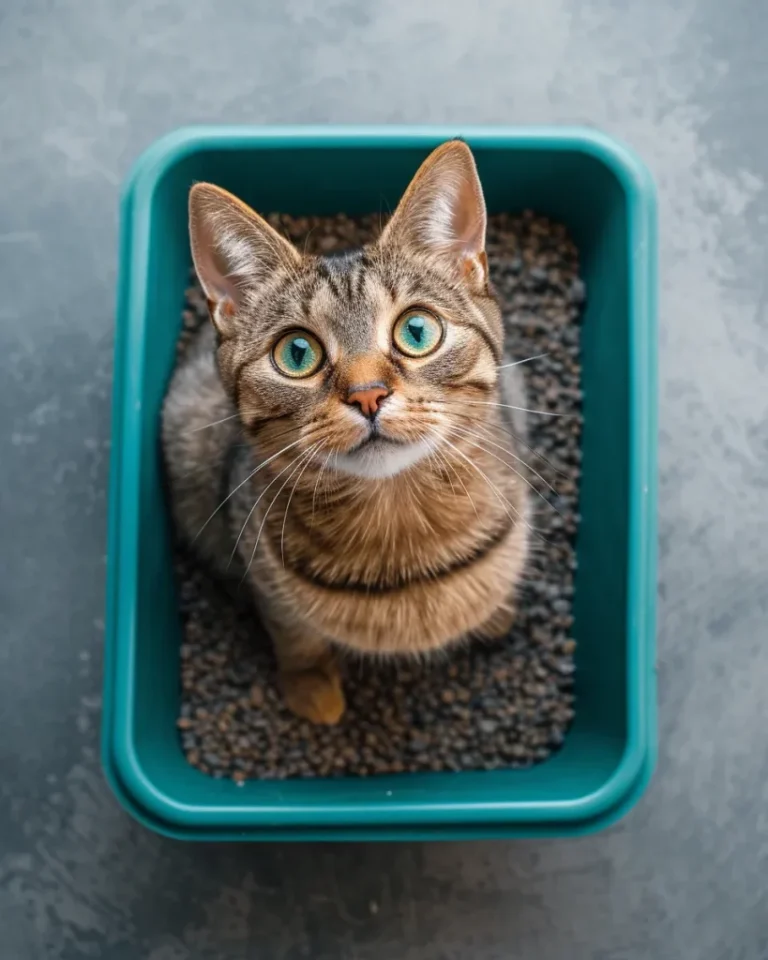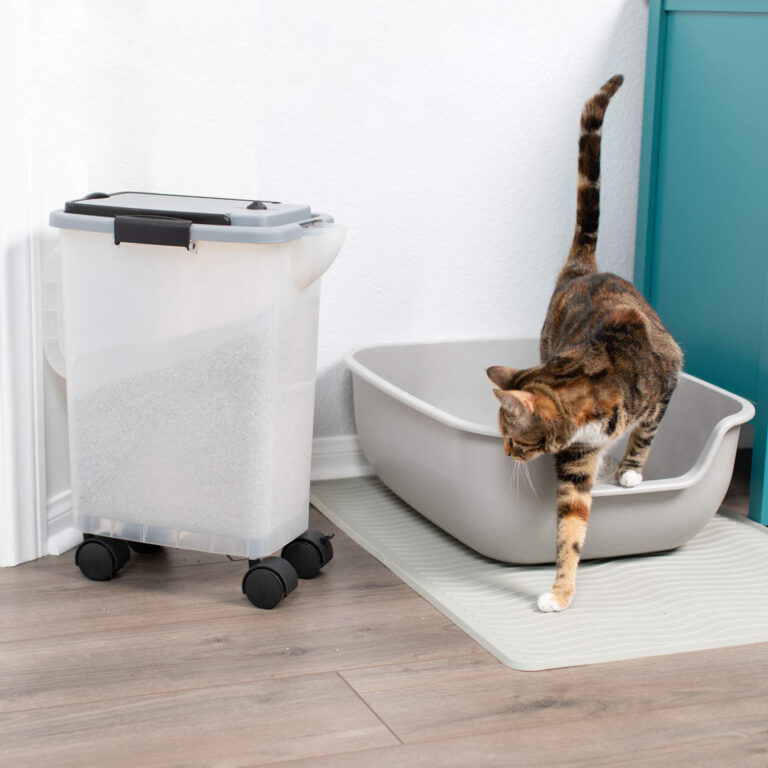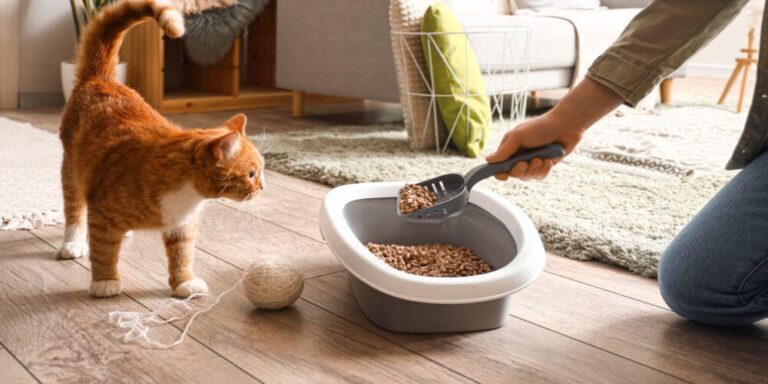
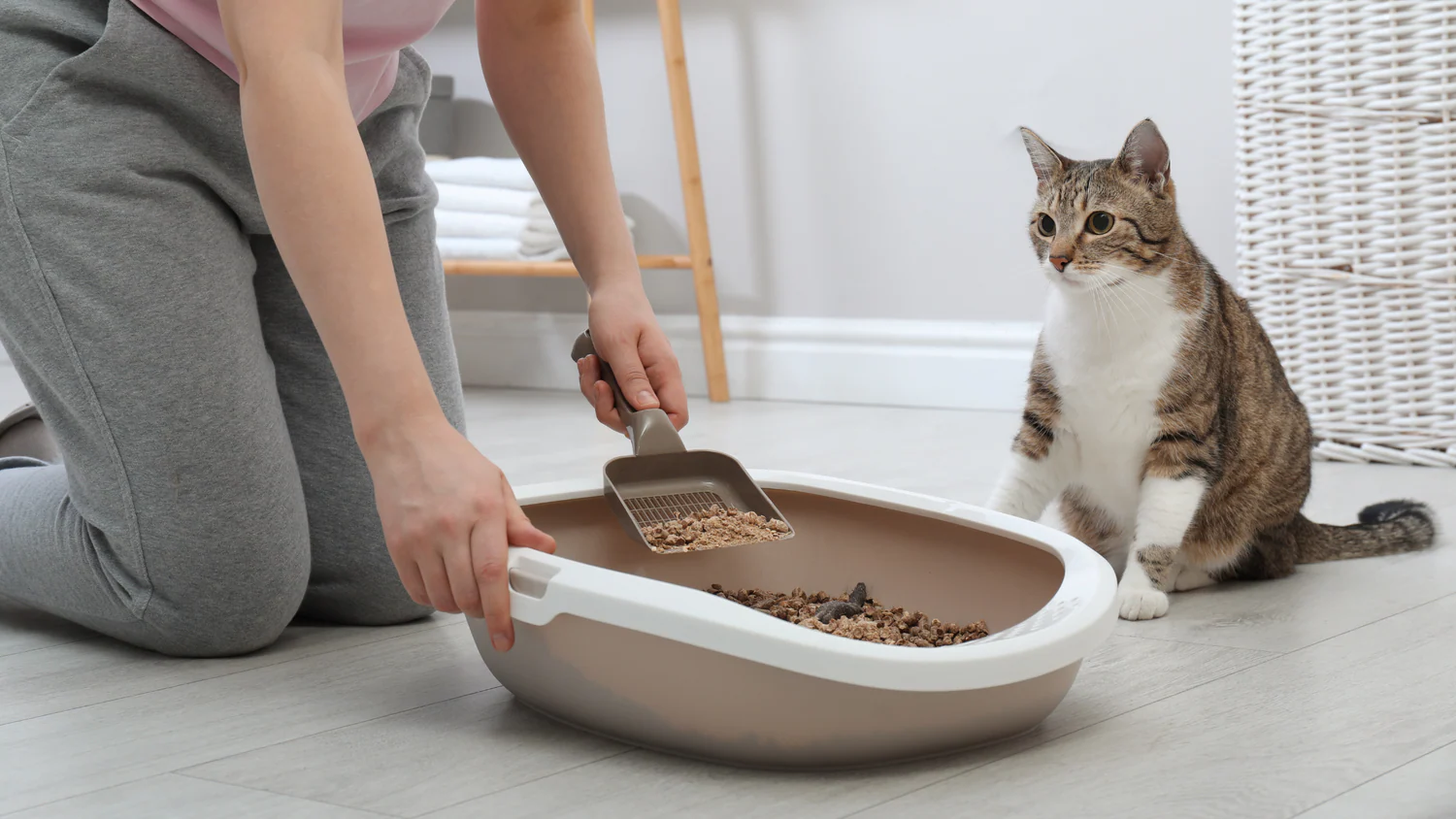
As more cat owners become environmentally conscious, eco-friendly cat litter has become a popular choice in 2026. Biodegradable litter options are designed to reduce environmental impact while keeping your home clean and odor-free. This guide will explore the types of eco-friendly cat litter, their benefits, drawbacks, and tips for choosing the right one for your cat.
Why Choose Eco-Friendly Cat Litter?
Traditional clay-based cat litters often involve strip-mining, which can harm the environment. Eco-friendly litter alternatives are usually made from natural and renewable materials, which are biodegradable, compostable, or easier to dispose of responsibly. Benefits include:
- Reduced environmental footprint
- Low dust and minimal tracking
- Safer for cats with allergies or sensitive paws
Top Types of Eco-Friendly Cat Litter
1. Wood-Based Litter
Made from sawdust, pine, or other wood fibers, wood litter is biodegradable and often comes in pellets or granules.
Pros:
- Natural odor control
- Lightweight and easy to handle
- Compostable in many cases
Cons:
- Some wood litters may produce more dust
- Less effective clumping than clay
2. Corn and Grain-Based Litter
These litters are made from corn, wheat, or other plant-based materials. They usually clump naturally and offer good odor control.
Pros:
- Biodegradable and compostable
- Strong clumping properties
- Mild scent and low dust
Cons:
- Can be more expensive than traditional clay
- Some cats may take time to adapt to texture
3. Tofu or Soy-Based Litter
Tofu and soy litters are soft, biodegradable, and often flushable. They are becoming more popular for eco-conscious households.
Pros:
- Excellent odor control
- Low dust
- Safe for kittens and sensitive cats
Cons:
- Can be pricier than other natural litters
- Requires more frequent changing in multi-cat households
4. Paper-Based Litter
Made from recycled paper, this litter is soft, highly absorbent, and lightweight.
Pros:
- Gentle on paws
- Very low dust
- Fully biodegradable
Cons:
- Non-clumping in most cases
- Odor control is weaker than other eco-friendly options
Tips for Choosing the Right Biodegradable Litter
- Consider your cat’s preferences: Some cats prefer granular texture over pellets or paper.
- Evaluate odor control needs: Multi-cat households may need stronger odor-controlling formulas.
- Check disposal options: Ensure the litter can be composted or safely disposed of in your area.
- Introduce gradually: Mix new eco-friendly litter with your cat’s current litter to ease the transition.
Conclusion
In 2026, eco-friendly and biodegradable cat litters offer a sustainable alternative to traditional clay-based litters without compromising on cleanliness or odor control. From wood and grain-based litters to tofu and paper options, there are solutions to fit every household and cat preference. By choosing biodegradable litter, you can keep your home fresh, protect your cat, and contribute to a greener planet.